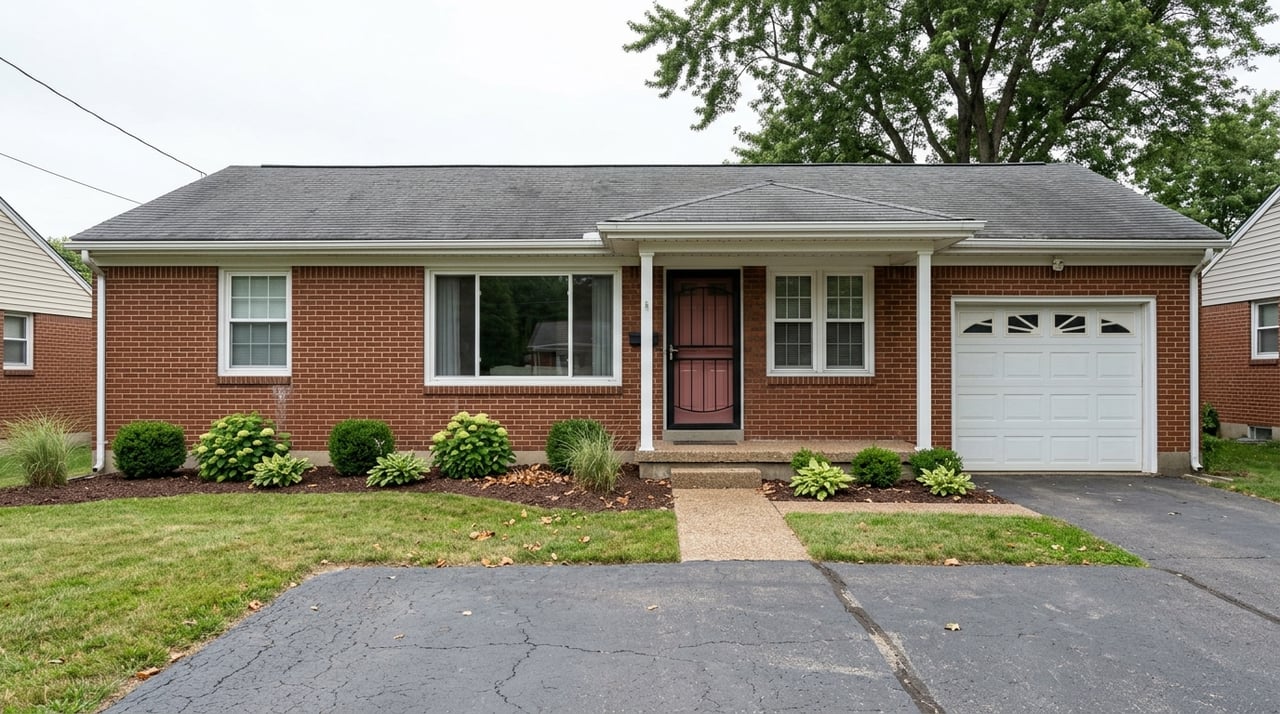
If you need to sell your current home and buy your next one in Clarence, timing can feel like the hardest part. You are trying to protect your equity, line up financing, and avoid getting stuck with two homes or nowhere to go. The good news is that with a clear plan, a move-up sale and purchase can be coordinated smoothly. Let’s break down what matters most.
Why timing matters in Clarence
Clarence is an active market, but it is also price-sensitive. Recent local snapshots show different numbers depending on whether you look at closed sales or active listings, with median sale prices around $609,635 and median listing prices roughly in the $709,900 to $769,777 range. Days on market also vary by source, from about 13 days for closed sales to around 31 days to sale.
What that means for you is simple. You should not assume every home will sell instantly, and you also should not assume you will have unlimited time to decide on your next purchase. In a market like this, your best advantage is a plan that keeps your sale and purchase connected without making either side feel rushed.
Start with your equity and budget
Before you shop for your next home, get clear on how much equity you may need from your current sale. If your down payment or closing costs for the next home depend on those sale proceeds, your lender will usually need to verify that source of funds through the settlement statement on your current home before or at the same time your new purchase closes.
That is why many move-up buyers in Clarence begin with two early steps:
- Estimate likely sale proceeds from the current home
- Review how much cash is needed for the next purchase
- Talk with a lender about qualification scenarios
- Decide whether you need to sell first or can buy before you sell
This early planning helps you avoid looking at homes that only work if every detail lines up perfectly.
Sell first vs buy first
When selling first makes sense
For many homeowners, selling first is the cleaner path. If you need your sale proceeds for the next down payment, this approach reduces financing pressure and can make your budget more predictable.
It also lowers the chance of carrying two housing payments at once. That can matter if you want to stay flexible and avoid stretching your monthly budget while you transition.
When buying first may work
Some move-up buyers prefer to purchase before their current home closes. This can be helpful if you find the right house and do not want to miss it, or if you want more control over your move.
The key issue is underwriting. If your current home is under contract but has not transferred title before your new purchase, the lender will often count both housing payments unless it has the executed sales contract and confirmation that financing contingencies have been cleared.
In plain terms, buying first can be possible, but your lender needs enough documentation to see that your current home sale is truly on track.
Financing tools that may help
Bridge or swing loans
A bridge or swing loan can help if you want to buy a new home before your current one sells. This is usually a short-term loan, often 12 months or less, designed to cover the gap between transactions.
Lenders may allow bridge or swing loan funds for the new purchase, but there are limits. The loan generally cannot be cross-collateralized against the new property, and you may need to show that you can carry your current home, your new home, the bridge loan, and your other obligations at the same time.
Home equity loan or HELOC
You may also look at a home equity loan or a home equity line of credit, often called a HELOC. A home equity loan is usually a lump-sum loan with a fixed rate, while a HELOC is a revolving credit line that often has a variable APR during the draw period.
Both use your current home as collateral. That can provide flexibility, but it also means repayment matters. If the loan is not repaid, foreclosure is possible, so this option needs careful budgeting.
Use contingencies carefully
A coordinated move-up transaction often depends on smart contract terms. Purchase offers commonly include contingencies, earnest money, and timing details like the proposed closing date.
Earnest money is typically about 1 to 3 percent of the offer price. Since that deposit is part of the transaction risk, you want your offer terms to match your real timeline and financing plan.
Keep your purchase flexible when possible
If your current home sale is not fully firm yet, flexibility can protect you. A purchase closing date that leaves room for your sale to progress may reduce stress and lower the odds of last-minute surprises.
The same goes for contingency language. Until the sale side is solid, it often helps to avoid locking yourself into a purchase timeline that leaves no margin.
Protect your mortgage approval
Once you begin the sale-and-purchase process, consistency matters. Buyers are generally better positioned when financing is lined up early and they understand the difference between pre-qualification and pre-approval.
After that, the biggest job is staying steady. Complete the inspection and appraisal steps on time, avoid large purchases that could change your debt picture, and review closing documents carefully before signing.
A final walk-through also matters. If something looks different from what you agreed to, you want to catch it before closing day, not after.
Plan for Clarence and Erie County closing costs
Taxes and local closing costs can affect your move-up math more than many buyers expect. In Erie County, the real estate transfer tax is $4.50 per $500 of consideration. That includes the New York State transfer tax of $2.00 per $500 and the Erie County transfer tax of $2.50 per $500.
For sellers, that matters because Erie County states that the seller is responsible for both the state and county transfer tax. Erie County also lists a 1 percent mortgage recording tax on the total mortgage amount, which can affect the purchase side if you are financing your next home.
Watch the school tax calendar
If you are moving within Clarence, pay attention to the local school tax schedule. Clarence school tax bills are sent out by mid-September and are due on or about October 15. Penalties apply after the due date, and unpaid school taxes are turned over to Erie County in December.
That timing can matter if your closing falls near the school tax cycle. Depending on the closing date, tax prorations and payment timing may affect what you owe or receive at settlement.
Understand STAR when you move
If your next home in Clarence will be your primary residence, the STAR credit may be part of your planning. In New York, the STAR exemption is closed to new applicants, so new homeowners register for the STAR credit instead.
The STAR credit is available when the home is your primary residence and combined owner-and-spouse income is $500,000 or less. Since STAR applies only to school district taxes, it is worth reviewing this as part of your move-up budget.
If you are moving from one primary residence to another, the Town of Clarence notes that exemptions must be reapplied whenever the primary residence changes. That is a small detail, but it is an easy one to miss during a busy move.
A practical move-up checklist
If you want to keep your Clarence sale and purchase organized, focus on this order:
- Price your current home with realistic local expectations
- Estimate net sale proceeds and closing costs
- Meet with a lender to review sell-first and buy-first options
- Decide whether bridge financing, home equity funds, or a sale-first plan fits best
- Prepare your home for market before you start touring seriously
- Line up pre-approval and keep finances stable
- Structure your offer timing and contingencies around the strength of your sale
- Review taxes, transfer costs, mortgage recording tax, and school tax timing
- Complete inspections, appraisal, final walk-through, and closing review on schedule
A move-up purchase is rarely just one transaction. It is two separate deals that need to work together. When each step is planned in the right order, you can make decisions with more confidence and less pressure.
If you are thinking about making a move in Clarence, working with someone who understands the local market, the timing pressure, and the details on both sides of the transaction can make a real difference. When you are ready to map out your next step, connect with Benjamin Domagala.
FAQs
How does a move-up home sale and purchase work in Clarence?
- A move-up transaction usually means you sell your current home and buy a larger or better-fitting home on a coordinated timeline, with financing, contingencies, and closing dates structured to keep both deals aligned.
Should you sell before buying your next home in Clarence?
- If you need equity from your current home for the next down payment or closing costs, selling first is often the simpler path because it can reduce financing pressure and make your budget clearer.
Can you buy a new home in Clarence before your current home sells?
- Yes, but your lender may count both housing payments unless your current home is under contract and key financing conditions on that sale have been cleared.
What financing options can help with a Clarence move-up purchase?
- Depending on your situation, options may include a bridge or swing loan, a home equity loan, or a HELOC, each with different qualification rules and repayment risks.
What transfer taxes should sellers expect in Erie County?
- Erie County says the total real estate transfer tax is $4.50 per $500 of consideration, and the seller is responsible for the New York State and Erie County portions.
Why does the Clarence school tax schedule matter when moving?
- School tax bills are sent by mid-September and due around October 15, so a closing near that window can affect prorations, payment timing, and what shows on your settlement figures.
How does STAR work when you buy another primary home in Clarence?
- New homeowners register for the STAR credit rather than a STAR exemption, and if your primary residence changes, the Town of Clarence notes that exemptions must be reapplied.