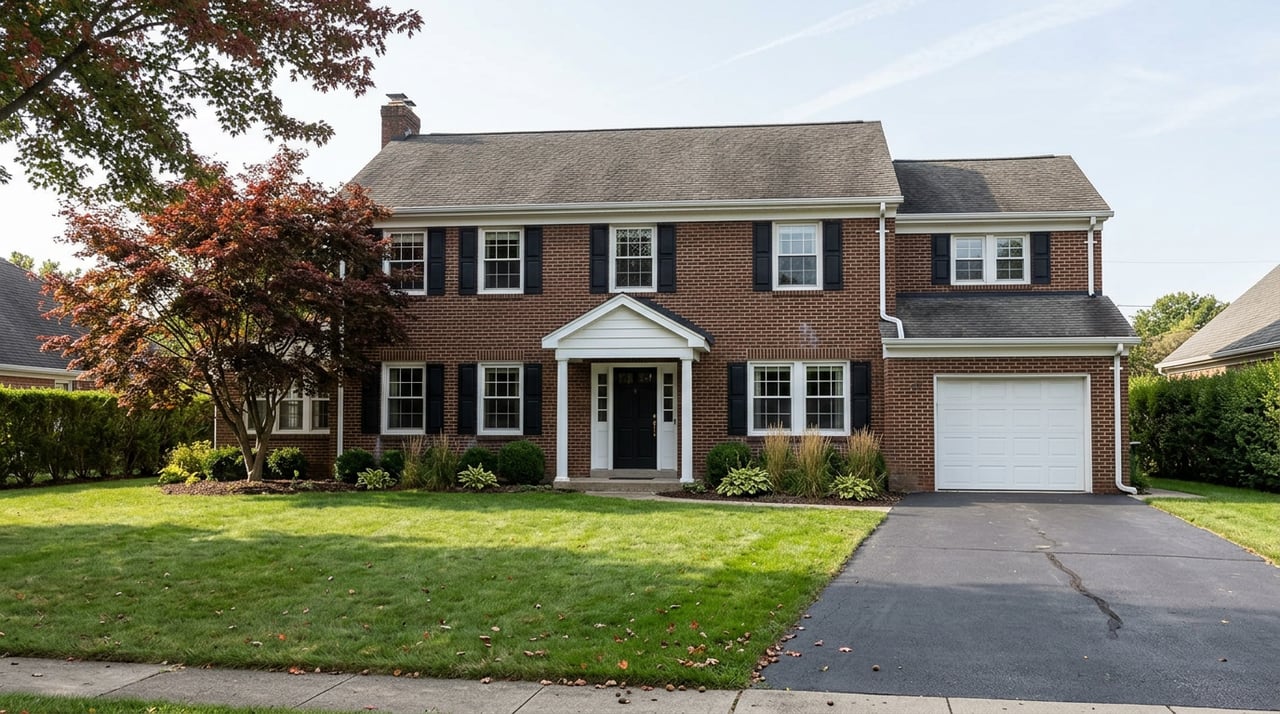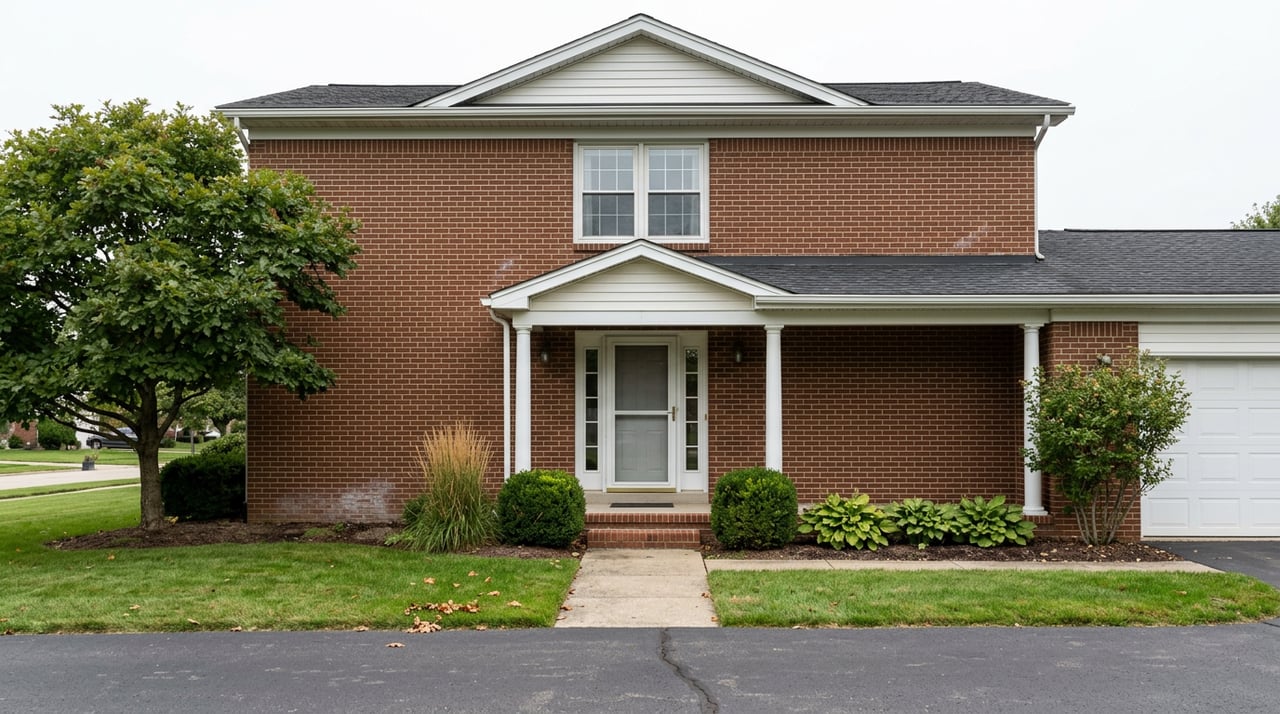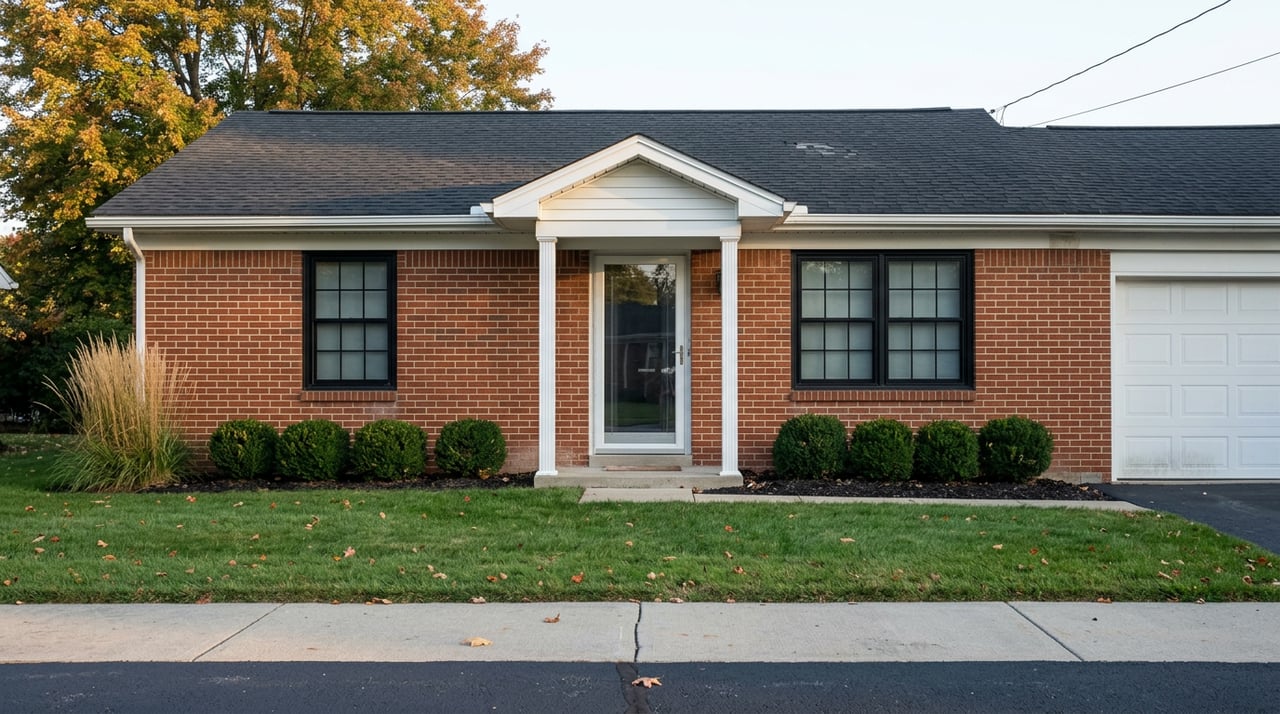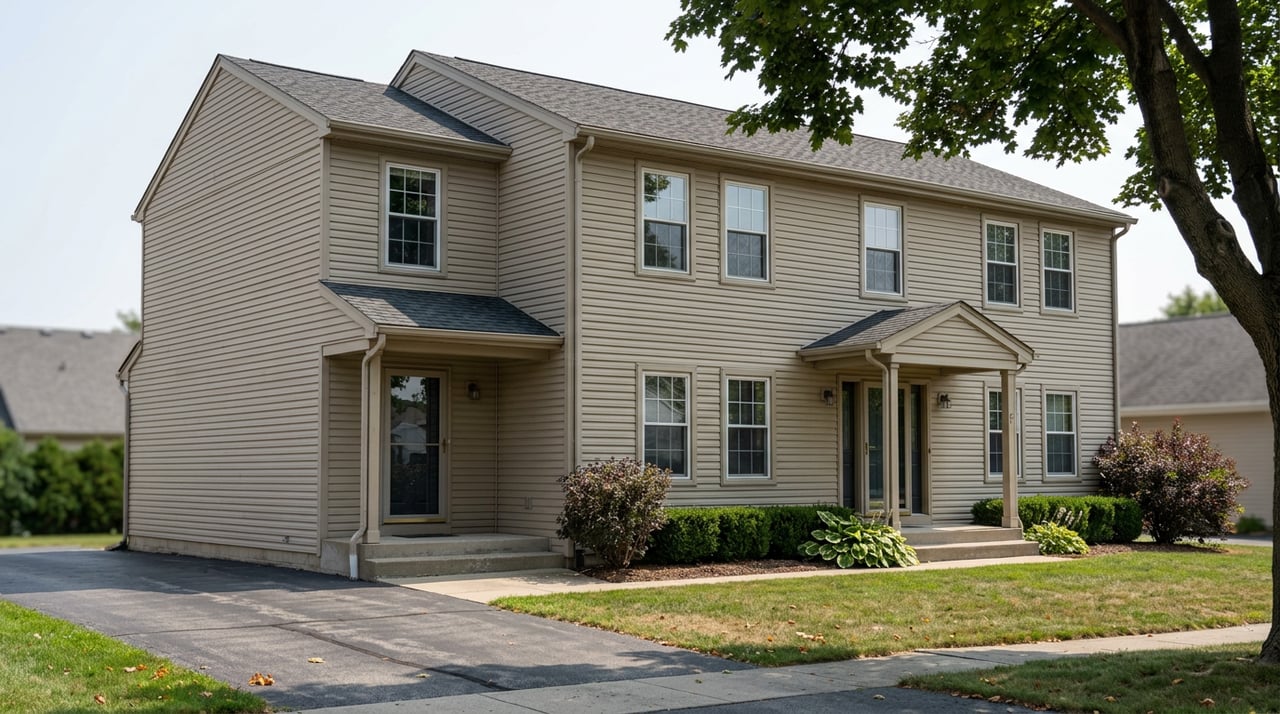
Two buyers walk through North Buffalo in the same week. One is looking at a tidy single-family on a tree-lined street off Hertel Avenue. The other is looking at a classic upper-lower double two blocks away, the kind with a shared foyer, separate utilities, and a tenant already paying rent on one floor. The second buyer assumes the math is stacked against them: two units, more income potential, surely a steeper tax bill to match. That assumption is wrong, and the reason it's wrong tells you more about how to shop in this market than the median price ever will.
New York State lets certain cities, including Buffalo, split property taxes into two classes: homestead and non-homestead. The dividing line isn't whether a property produces rental income. It's how many units are in the structure. One-, two-, and three-family homes all land in the cheaper homestead class, whether the owner lives in one unit or rents out both. Non-homestead is reserved for four-plus unit buildings, commercial space, and similar property. A North Buffalo double is, by definition, a two-family home. It gets the same rate as the single-family down the block, not the rate you'd expect on an income property.
The Rate Split That Doesn't Show Up on a Listing Sheet
The gap between the two classes is not small. For the 2025-26 tax year, the City of Buffalo's own rate sheet put the combined city-and-school homestead rate at $6.515458 per $1,000 of assessed value. The non-homestead rate for that same combined city-and-school portion was $13.077021 per $1,000, essentially double.
| Tax Class | City Rate | School Rate | Combined (City + School) |
|---|---|---|---|
| Homestead (1-3 family) | $4.030864 | $2.484594 | $6.515458 |
| Non-homestead (4+ units, commercial) | $8.057512 | $5.019509 | $13.077021 |
Per $1,000 of assessed value, 2025-26 City of Buffalo tax rate schedule.
Erie County's 2025 rate of $5.604583 per $1,000 and the city's sewer rent of $1.298381 per $1,000 sit on top of whichever class applies, and neither of those line items depends on unit count the way the city and school portions do. Add it up and the difference between owning a fourplex and owning a duplex on the same block, with similar assessed values, is not a rounding error. It's roughly doubling your city and school tax burden for the privilege of one extra unit.
This is the number an investor comparing a duplex to a fourplex needs to run before making an offer. It's also the reason a buyer choosing between a single-family and a two-family in North Buffalo can stop worrying that the double will cost more to carry on the tax line. It won't, at least not because of unit count.
Why the Number You're Actually Looking At Might Be Old
Here's where the story gets more interesting than a simple rate table. Buffalo ran its first citywide property revaluation since 2020, mailing preliminary disclosure notices to property owners starting in September 2024 as part of what the city called its 2025 Reassessment Equity Project. The new values took effect for the 2025-26 tax year, the same year that produced the rate table above.
Buffalo's Commissioner of Assessment and Taxation, Jason Shell, put the purpose plainly at one of the district meetings held ahead of the rollout:
"As far as our standpoint, the assessment is to make sure property tax is split evenly and equitably."
What that meant in practice was uneven at the household level. The city's own announcement, sent alongside the disclosure notices, told property owners not to assume a higher assessment meant a higher bill. The tax burden was being redistributed across roughly 93,649 properties, and the department expected about a third of parcels to see their taxes fall, a third to stay about the same, and a third to see an increase. One North Buffalo homeowner, writing about their own experience with the process, described watching their home's assessed value double for the second reassessment cycle in a row, a jump that signaled a real tax increase was coming even though the nominal city homestead rate itself was dropping.
That last part is the piece easy to miss. The city's homestead rate fell from $6.573228 per $1,000 in 2024-25 to $4.030864 per $1,000 in 2025-26, a rate cut of nearly 39 percent. Read on its own, that looks like relief. But a rate cut paired with assessed values that doubled in some neighborhoods can still land as a real increase on the actual bill. The rate and the assessment move independently, and only looking at both together tells you what a specific property will actually cost.
What This Means If You're Comparing Properties Right Now
Put the two threads together and the takeaway isn't about single-family versus double. It's about timing. The unit-count mechanism (homestead versus non-homestead) is stable and predictable: a legal two-family or three-family qualifies for the cheaper rate, full stop. The reassessment mechanism is not stable. It resets periodically, it doesn't move every property by the same amount, and the number printed on a listing's tax field may reflect an assessment or a rate that's already a cycle old by the time you're writing an offer.
North Buffalo isn't a market that rewards taking your time to sort this out later. Homes here sold at a median price of roughly $384,000 over the three months ending in June 2026, up about 2.3 percent from the same period a year earlier, and the typical home was going under contract in about 11 days. That pace means the due diligence work on taxes has to happen before you write the offer, not during a leisurely inspection period.
Before you make an offer on a North Buffalo single-family or double, a few things are worth confirming directly rather than trusting the number on the listing sheet:
- Ask for the current tax bill, not last year's, since the city's fiscal year turns over every July 1 and rates can shift materially between cycles, as the 2024-25 to 2025-26 change shows.
- Confirm the property's current assessed value through the city's own property information system rather than relying on a figure the seller's agent may have pulled a year ago.
- For a two- or three-family, verify the homestead classification is actually reflected on the roll. It should be automatic based on unit count, but a data entry gap is worth ruling out before closing.
- If you're comparing a duplex to a triplex or a small apartment building, run the non-homestead math separately. Once you cross into four units, the city and school portion of your tax bill roughly doubles per dollar of assessed value.
None of this requires a tax attorney. It requires asking the right question at the right point in the process, which is exactly where most buyers lose the thread.
FAQ
Does a two-family home in North Buffalo pay a higher property tax rate than a single-family home? No. New York's homestead classification, which Buffalo uses, covers one-, two-, and three-family residential dwellings as a single group. A legal two-family home qualifies for the same lower homestead rate as a single-family home on the same street.
How much more does a non-homestead property actually pay? Based on the city's 2025-26 rate schedule, the combined city-and-school rate for non-homestead property was $13.077021 per $1,000 of assessed value, compared to $6.515458 per $1,000 for homestead property, roughly double. That gap applies to four-plus unit buildings and commercial property, not to a standard Buffalo double.
Why did the city's tax rate drop but some homeowners still saw higher bills? Buffalo completed its first citywide reassessment since 2020, and many properties saw their assessed values rise sharply as part of that process. The city cut its homestead rate to offset the higher values overall, but because individual assessments didn't all move by the same amount, the city itself estimated that roughly a third of properties would see increases even after the rate cut.
If you're weighing a single-family home against a North Buffalo double, or trying to figure out what a specific property will actually cost to carry after this reassessment cycle, Benjamin Domagala can pull the current assessment and tax numbers before you write an offer, not after. Get Your Free Home Valuation, or let's connect and talk through the math on the property you're actually considering.