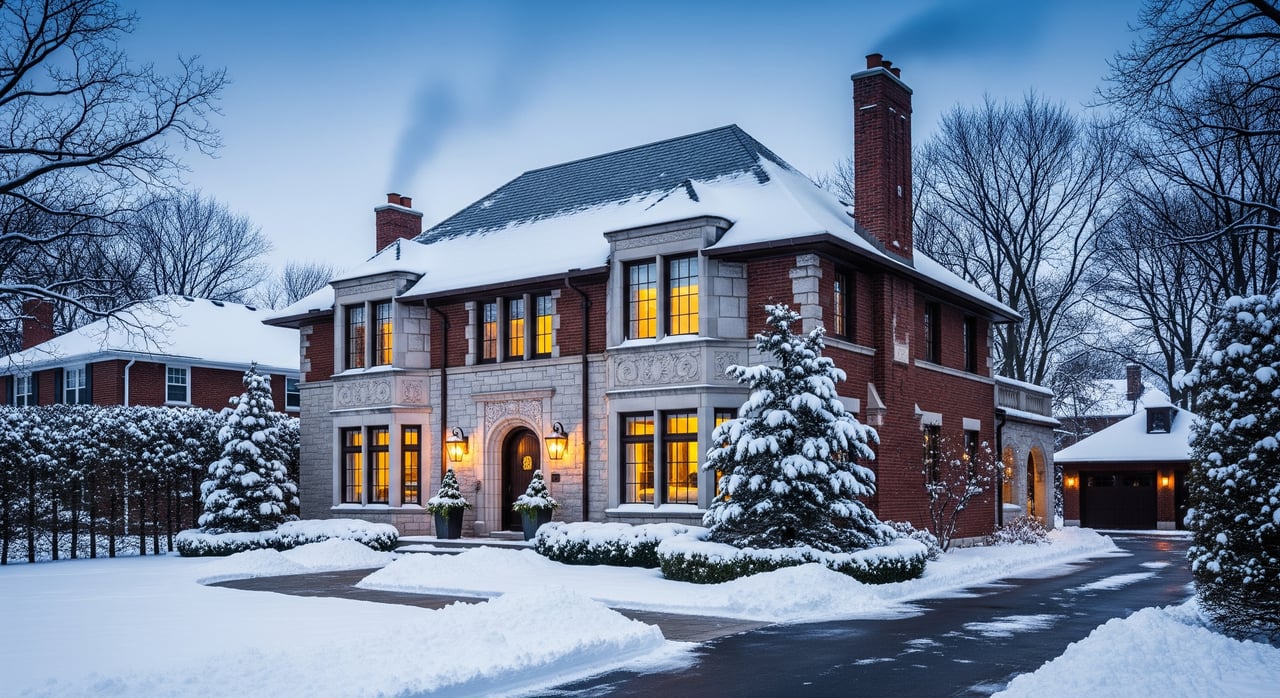
Thinking about buying a home in Amherst’s 14228 this winter? You’re not alone. Winter can feel intimidating, but it also opens doors you might not see in spring. In this guide, you’ll learn the real pros and cons of a cold-weather purchase, what to check during showings, and how to structure a smart winter contract. Let’s dive in.
Why buy in winter in 14228
Lower competition and motivated sellers
With fewer buyers touring in winter, you often face less competition. That can mean more time at showings, fewer bidding wars, and stronger negotiating leverage. Many winter sellers are motivated by timelines or life changes, so they may be more open to credits, repairs, or flexible closing dates.
Real-world winter performance
Winter lets you see how a home truly handles cold, wind, and snow. You can check the heating system, feel for drafts, and observe how the driveway and walkways get cleared. You also get a realistic sense of ice buildup, snow storage, and how the home’s layout works when it is freezing outside.
What makes winter buying harder
Weather and access
Heavy, localized lake-effect snow can change conditions street by street. Driveways, walks, and porches may be icy or buried. Plan extra travel time for showings and bring suitable footwear. Ask the listing agent to confirm safe access before you go.
What snow can hide
Snow and ice can mask exterior issues like damaged siding, roof wear, grading or drainage problems, and foundation cracks. Landscaping and hardscapes are also harder to evaluate. Expect to verify some exterior items later when conditions improve.
Scheduling and financing hiccups
Some inspections are limited in winter, and specialized contractors may book out. Lenders or appraisers might require re-inspection if repairs are deferred. Build in extra time to your contract for weather-related delays or access issues.
Moving logistics
Winter moves can cost more and take longer. Snow removal becomes part of your moving plan. Make sure the driveway and entry are plowed and salted on moving day.
Smart prep before you tour
- Ask if the driveway, walkway, and steps will be cleared and safe. Confirm parking and where to meet if snow piles block the address.
- Request 12 months of utility bills to understand heating costs and fuel type.
- Ask for dates of recent furnace or boiler service, chimney cleaning, and sump pump maintenance.
- Request seasonal photos that show the roof, yard, grading, and driveway in warmer months.
What to check during the tour
Heat and hot water
- Turn up the thermostat and confirm the system cycles properly and heats evenly.
- Check for unusual combustion odors or soot near vents or the furnace.
- Verify hot water heater operation and recovery time.
Windows, doors, and attic
- Feel for drafts around windows and doors; check locks and latches.
- Look for condensation between window panes that can signal failed seals.
- If safe, view the attic to assess insulation levels, ventilation, and any signs of past ice dam leaks.
Basement and sump
- Look for moisture, staining, or efflorescence on walls and floors.
- Confirm the sump pump is on a dedicated power circuit and test the pump if possible.
- Ask about any backup power or alarm system for the sump pump.
Roof, chimney, and exterior surfaces
- From the ground, look at rooflines for sag, uneven snow melt, or icicle patterns that suggest heat loss.
- Check visible flashing and chimney condition where you can see it safely.
- Evaluate stairs, porches, and handrails for traction and stability.
Inspection tactics that work in winter
- Ask your inspector to run a full-load heating test and evaluate flues and vents.
- Request combustion safety testing for carbon monoxide and draft issues.
- Ask for thermal imaging if available to spot heat loss and insulation gaps.
- Verify sump pump function and look for moisture indicators in the basement or crawlspace.
- If exterior items cannot be fully evaluated, plan a follow-up inspection in spring and reflect this in your offer contingencies.
- Collect documentation: seller’s disclosure, service records for heat and hot water, chimney cleaning, sump pump maintenance, and receipts for major repairs.
Negotiation and contract strategies
Leverage and pricing
Seasonal slowdowns can mean higher days on market and fewer competing offers. Use that context to negotiate on price, closing costs, or repairs. Support your offer with relevant local market data if available.
Contingencies and credits
Protect yourself with winter-specific contingencies. Consider a credit for roof or exterior items that cannot be verified until spring. Define what temporary fixes are acceptable now and what standard the seller must meet at re-inspection.
Timing, access, and escrow
Build extra time into your inspection window. If weather blocks access or contractors cannot complete winter work, an escrow holdback or agreed re-inspection standard can keep closing on track. Document everything in writing.
Appraisal sensitivity
Appraisals rely on comparable sales, which can vary seasonally. If the appraiser notes incomplete exterior items due to weather, be prepared for a re-inspection or lender conditions. Coordinate early with your lender and agent.
Local logistics in Amherst and 14228
- Snow and ice conditions can change quickly due to lake-effect patterns. Check current forecasts and advisories from local weather officials before touring.
- Amherst and Erie County handle major plowing, but neighborhood streets and sidewalks may take longer. Sidewalk clearing rules and responsibilities can vary by street or HOA. Confirm any requirements with the Town of Amherst and your HOA if applicable.
- Many homes use natural gas, electric, or heating oil. Ask for recent utility bills to understand seasonal costs and fuel type.
How Benjamin keeps winter buys on track
- Touring support: I schedule showings near midday for better light and safer footing. I confirm cleared access and bring boot covers, a portable mat, and a flashlight so you can focus on the house, not the slush.
- Winter-savvy inspections: I book inspectors who know cold-weather homes, including HVAC emphasis and thermal imaging when available. For items under snow, I write in a spring follow-up inspection clause.
- Negotiation with a plan: I balance leverage from lower competition with protections for exterior unknowns. We use credits, re-inspections, or escrow to secure your interests.
- Smooth transitions: I share trusted movers, snow removal contacts, and handymen for quick winter fixes. I also guide you on utility activation and temporary heat if needed.
Quick 14228 winter homebuying checklist
- Quick wins
- Less competition and potential for concessions.
- Real-world test of heating and ice or snow handling.
- Risks to manage
- Exterior items hidden by snow and limited contractor availability.
- Potential closing delays due to weather or frozen systems.
- Before you tour
- Confirm cleared access and parking. Request utility bills, service records, and summer photos.
- During tour and inspection
- Test heating and hot water, check attic and basement, verify sump pump, and consider thermal imaging.
- Contract and closing
- Add winter-specific contingencies, request credits for unverified items, allow extra time, and plan a spring re-inspection.
- Moving and after closing
- Use winter-experienced movers, schedule utilities early, and arrange snow and ice management.
Ready to find the right home without waiting for spring? Reach out to Benjamin Domagala for a winter-smart strategy, tailored tours, and a clear plan from offer to move-in. Connect with Benjamin Domagala to get started.
FAQs
Is winter a good time to buy a home in Amherst 14228?
- Yes. You often face less competition, more scheduling flexibility, and a clearer picture of how the home handles cold, which can improve your negotiating position.
What home features are hardest to inspect in winter?
- Roof surfaces, landscaping, grading, exterior masonry, and some drainage or septic components are tougher to verify when covered by snow or ice.
How do heating and utilities affect winter costs in 14228?
- Many homes use natural gas, electric, or heating oil. Ask for 12 months of utility bills to understand seasonal usage, fuel type, and true monthly costs.
How can I protect myself in a winter purchase contract?
- Use targeted contingencies, request credits for items you cannot verify, allow extra time for weather delays, and include a spring follow-up inspection clause.
Should I delay closing until spring if repairs are needed?
- Not necessarily. You can close with an escrow holdback or agreed re-inspection standard if weather prevents repairs now. Document clear timelines and outcomes.
How do lake-effect storms impact showings and move-in plans?
- Conditions can change quickly, so confirm access before tours, keep flexible timing, and plan for snow removal on moving day to keep your schedule on track.