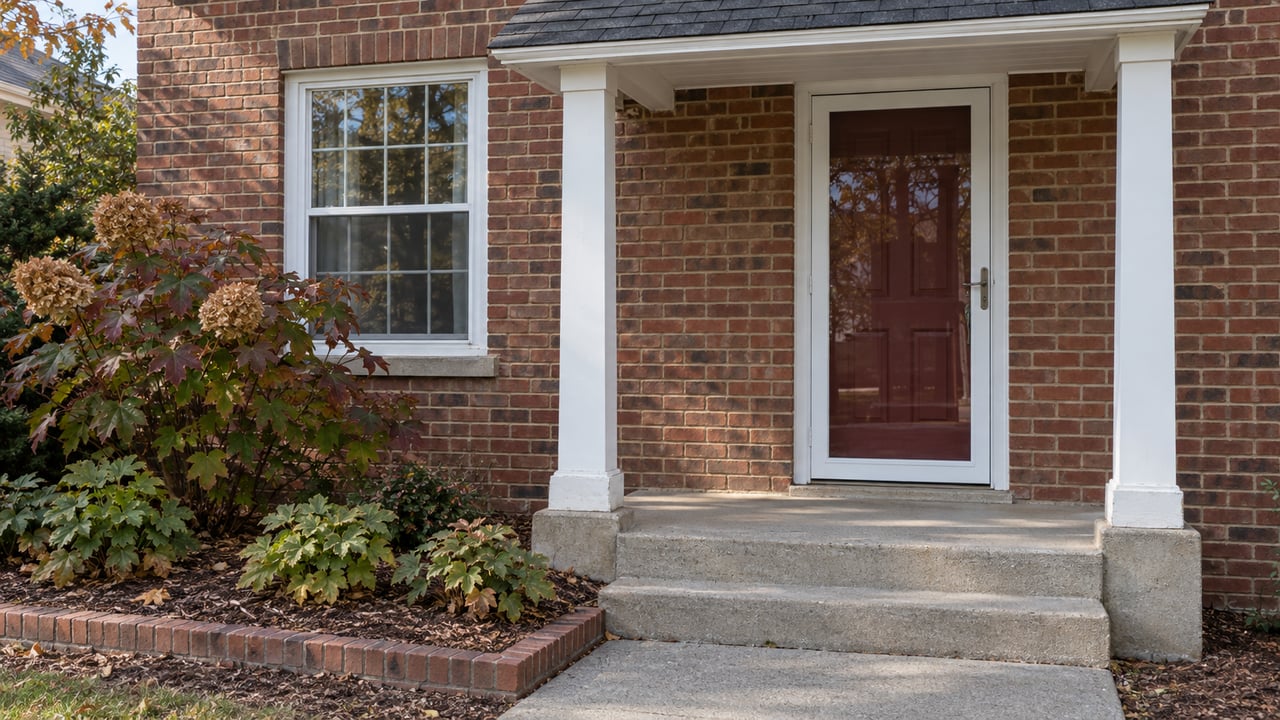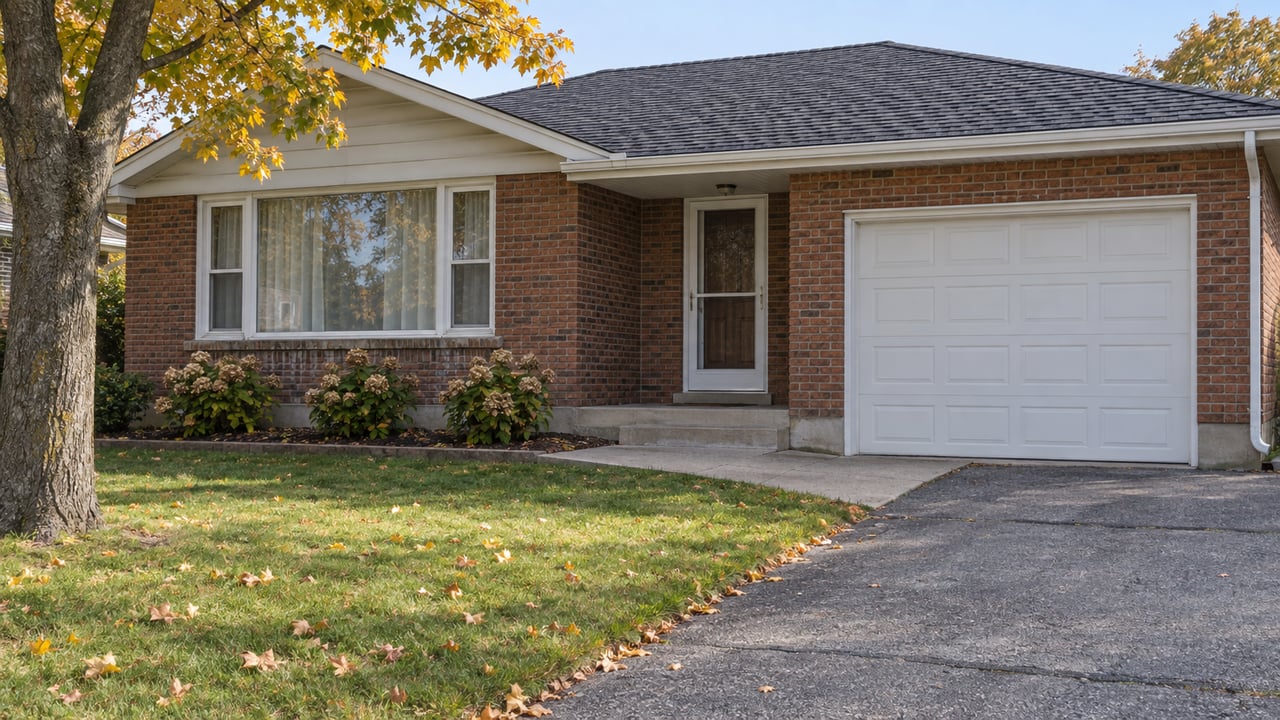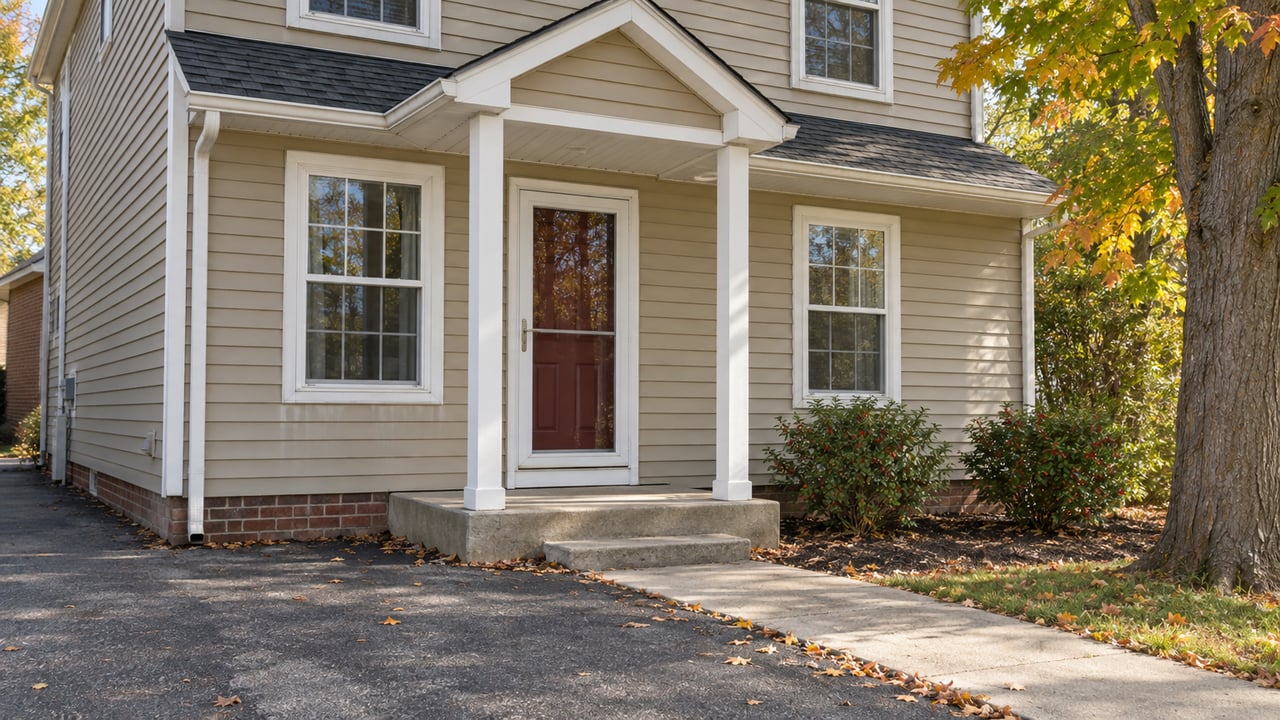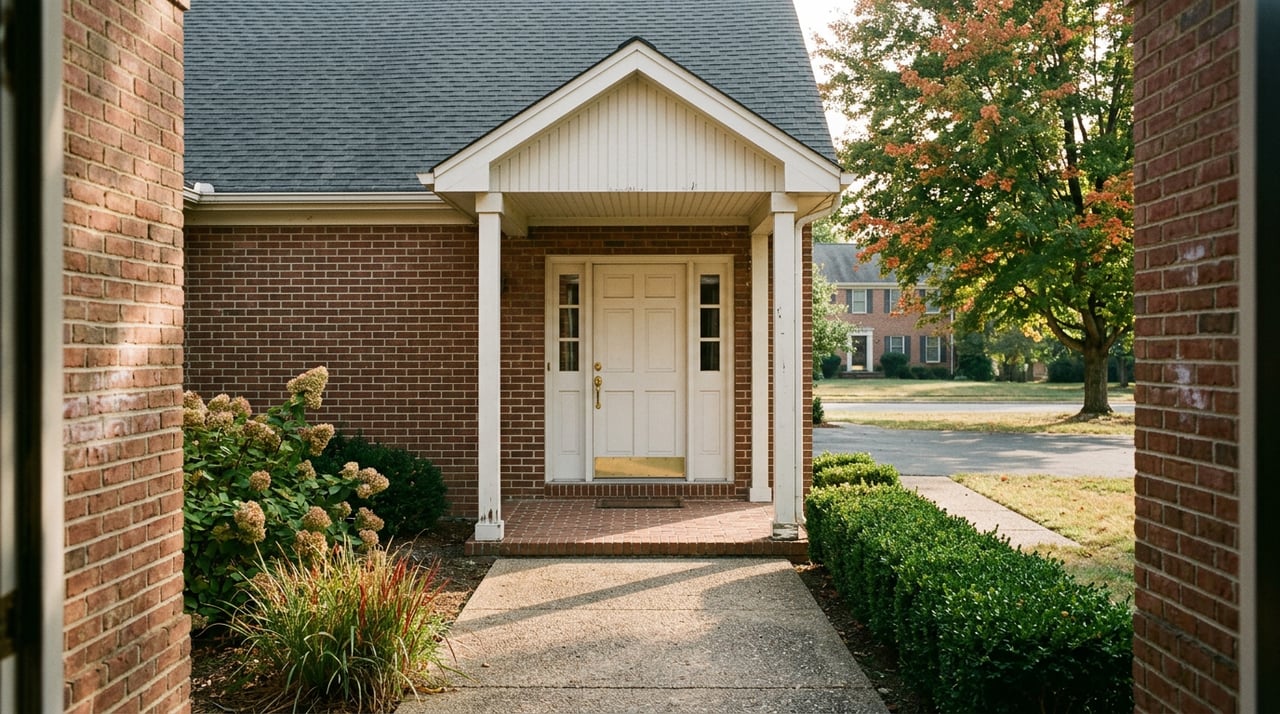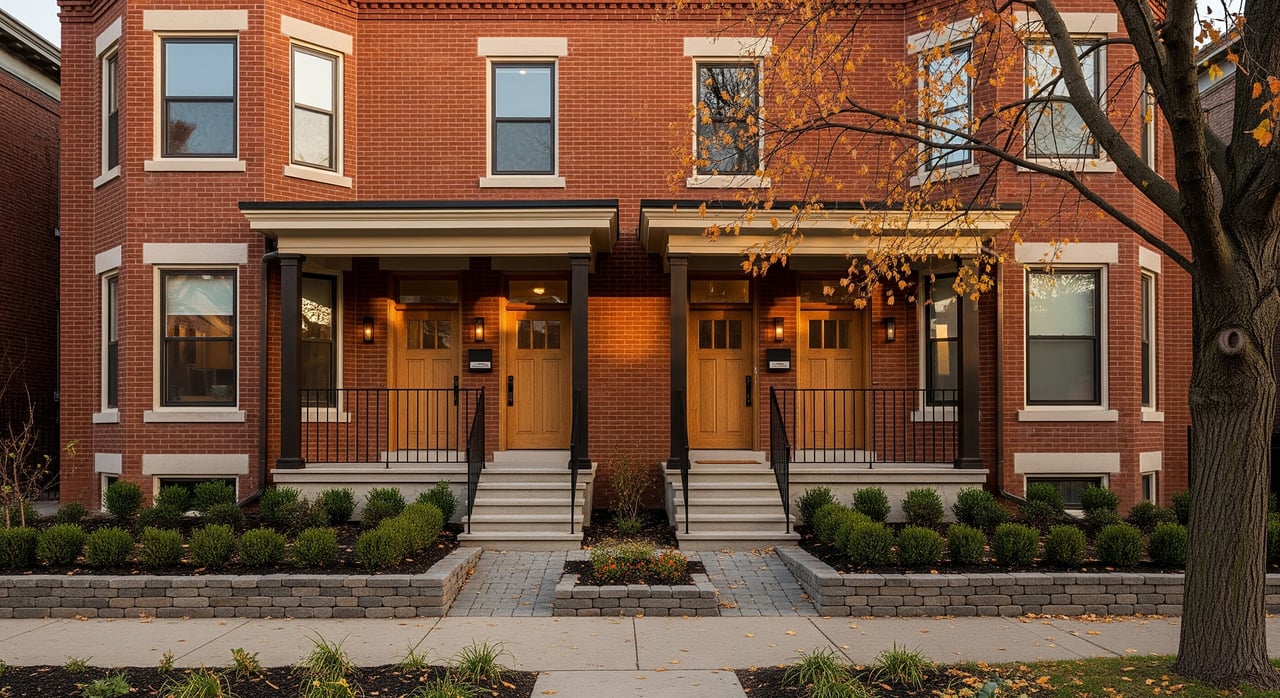
What if your neighbor could help pay your mortgage? If you have your eye on a two-unit in Tonawanda, house hacking might be your smartest path into homeownership and investing. You want clear guidance on loans, rents, local rules, and what the numbers look like in 14150. This guide walks you through financing options, local considerations, example budgets, and ways to find the right duplex so you can move forward with confidence. Let’s dive in.
What house hacking a duplex means
House hacking is when you buy a duplex, live in one unit, and rent out the other to offset your monthly costs. You are both a homeowner and a landlord. The rent can help cover your mortgage, taxes, and insurance.
You get two key benefits. First, a lower net housing cost while you build equity. Second, valuable experience as a landlord with a smaller, manageable property. You also take on responsibilities like tenant screening, maintenance, and compliance with local rental rules.
Financing options for a 2-unit in 14150
Financing a duplex as an owner-occupant is common, especially for first-time buyers. Here are the main paths.
FHA loans for 2 to 4 units
- FHA allows financing on 2 to 4 units if you occupy one as your primary residence. Review the occupancy standard in HUD’s Single Family Housing Policy Handbook 4000.1.
- Minimum down payment is typically 3.5 percent, subject to lender credit score requirements.
- Projected rent from the other unit can help you qualify if supported by an appraiser’s rent schedule and documentation. Many lenders count 75 percent of market rent for qualifying.
- Check current FHA loan limits for Erie County by using the HUD loan limits lookup tool.
VA loans if you are eligible
If you are a qualifying veteran, VA loans can be a powerful option for up to 4 units with no down payment, subject to entitlement and lender guidelines. Learn more at the VA Home Loan program.
Conventional loans
Conventional loans allow owner-occupied 2-unit purchases, but they often require larger down payments and stricter reserves than FHA. Underwriting can be tighter on multi-unit properties, so compare quotes and terms across lenders.
Using rental income to qualify
- Lenders usually require an appraiser’s rent schedule and may use 75 percent of market rent for the rented unit when calculating your qualifying income.
- If there is an existing lease, expect to provide the lease and tenant history.
- Policies vary by lender, so ask how they treat projected rent, what documentation they need, and whether they require reserves.
Local rules and rental basics in Tonawanda
Tonawanda has multiple jurisdictions in and around 14150, including the Town of Tonawanda and the City of Tonawanda. Zoning and rental rules can differ by municipality and even by neighborhood.
- Zoning: Duplexes are permitted in many residential districts, but you should confirm allowable use, parking, and occupancy limits with local code enforcement or planning.
- Rental registration and inspections: Many New York municipalities require rental registration, periodic inspections, and certificates of occupancy before tenants move in. Ask about timelines and fees so your closing plan matches any inspection requirements.
- FHA property condition: FHA appraisals include minimum property standards. Needed repairs can affect closing timelines, so build room in your contract for repairs if the home needs work.
Property taxes and insurance
- Taxes: Erie County provides parcel tax and assessment information. Use the county’s Real Property resources to review comparable duplex tax bills and assessment history at the Erie County Real Property Tax Services.
- Insurance: An owner-occupied duplex usually needs coverage that reflects mixed use. Discuss options like a homeowner policy for your unit plus a landlord policy for the rented unit, appropriate liability limits, and loss-of-rent coverage.
Landlord-tenant law in New York
New York State’s Housing Stability and Tenant Protection Act changed security deposit, fee, and notice rules.
- Security deposit: Generally capped at one month’s rent.
- Eviction: It is a court process and timelines can be substantial. Always follow current notice and filing rules.
- Learn more from the New York State Attorney General’s tenant rights guidance and the New York State Homes and Community Renewal tenant resources.
What the numbers can look like
Below are two illustrative scenarios. They show the math method, not current market quotes. Your actual numbers will depend on rates, taxes, insurance, and rents at the time you buy.
Scenario A — Lower-price example (illustrative)
- Purchase price: 140,000
- FHA 3.5 percent down: 4,900
- Loan amount: 135,100
- Example rate: 6.5 percent, 30-year, principal and interest about 854 per month
- Property tax estimate: 2,400 per year, about 200 per month
- Insurance estimate: 900 per year, about 75 per month
- Total PITI: about 1,129 per month
- Rented unit market rent: 900 per month
- Simple view after rent: 1,129 minus 900 equals 229 per month
- Add expenses: vacancy 45, maintenance 100, optional management 72
- Rough net owner cost: about 446 per month
Interpretation: The rented unit can cover a large share of your monthly cost, but reserves and maintenance still matter.
Scenario B — Higher-price example (illustrative)
- Purchase price: 220,000
- FHA 3.5 percent down: 7,700
- Loan amount: about 212,300
- Example rate: 6.5 percent, 30-year, principal and interest about 1,340 per month
- Taxes: about 300 per month, insurance about 100 per month
- Total PITI: roughly 1,740 per month
- Rented unit market rent: 1,100 per month
- Simple view after rent: 1,740 minus 1,100 equals 640 per month
- Add expenses: vacancy 55, maintenance 150, optional management 88
- Rough net owner cost: about 1,208 per month
Interpretation: With a higher purchase price, the rent may not cover everything in year one. Long-run gains can come from principal paydown and rent growth.
Sensitivity drivers to watch
- Interest rate: A 1 percent change can shift your payment significantly.
- Down payment: More down reduces payment and mortgage insurance on some loans.
- Rents and vacancy: Market shifts or a vacant month will change cashflow.
- Property condition: Repairs and capital items can move the math quickly.
- Taxes and insurance: Local increases can add to your monthly cost.
Step-by-step plan to find a Tonawanda duplex
- Get pre-approved for an owner-occupied 2-unit loan. Ask the lender how they will count projected rent and what reserves they need.
- Set alerts for 2-unit listings in 14150 through a local MLS-connected buyer’s agent who knows duplex underwriting and appraisals.
- Tour early and often. Duplex inventory can move fast, so shop within a 30 to 90 day window of new and recent listings.
- Pull rent comps for 1 to 2 bedroom units near your target blocks. Verify if utilities are separate and who pays what.
- Confirm rental compliance before you write. Ask about rental registration, inspections, and any certificate requirements that could impact closing.
- Order a thorough home inspection. For FHA buyers, budget time and funds for any lender-required repairs.
- Underwrite conservatively. Use a 5 to 10 percent vacancy allowance and a maintenance reserve. If you will hire a manager later, include that fee in your numbers.
Off-market tactics that work locally
- Absentee owner lists: Use county tax records to identify two-family parcels with out-of-area mailing addresses.
- Driving for dollars: Note properties that look dated or under-maintained, then send a friendly letter.
- Direct mail: Target long-time owners of duplexes. A simple, respectful letter can open conversations.
- Investor and contractor networks: Property managers and tradespeople often know owners considering a sale.
- Estate and foreclosure watch: Monitor county notices and legal ads. Proceed with care and legal guidance.
Quick due diligence checklist
- Verify zoning allows two-family use on the specific parcel.
- Ask code enforcement about rental registration and inspection schedules.
- Check Erie County tax history and assessed value trends for the address.
- Confirm utilities: Separate electric and gas meters, water billing, and who pays.
- Review leases, rent ledger, and security deposits if the property is occupied.
- Budget reserves for repairs and capital items like roof, furnace, and water heater.
- Prepare for FHA appraisal standards if using FHA financing.
Move forward with a local guide
House hacking a duplex in Tonawanda can lower your monthly cost while you build equity and gain landlord experience. With the right loan, careful underwriting, and local compliance steps, you can set yourself up for a smoother first purchase. If you want help finding and evaluating two-unit opportunities in 14150, connect with Benjamin Domagala for local, client-first guidance.
FAQs
What is house hacking for a duplex in Tonawanda?
- You buy a two-unit, live in one unit, and rent the other to offset your mortgage, taxes, and insurance while following local rental rules.
Can I use FHA to buy a Tonawanda duplex and count rent?
- Yes, if you will occupy one unit. Lenders often count about 75 percent of market rent when you qualify, supported by an appraiser rent schedule.
What rental inspections or certificates are required locally?
- Many New York municipalities require rental registration and periodic inspections. Check with the specific Tonawanda jurisdiction for timelines and fees.
How do I find Erie County property taxes for a duplex?
- Use county tools like the Erie County Real Property Tax Services site to view parcel assessments and tax history.
Where can I learn New York landlord-tenant rules before I rent?
- Review the NYS Attorney General tenant rights page and NY Homes and Community Renewal tenant resources for current state requirements.
Are VA loans an option for an owner-occupied duplex in 14150?
- If you are eligible, VA loans can finance up to 4 units with no down payment, subject to entitlement and lender guidelines. See the VA Home Loan program.