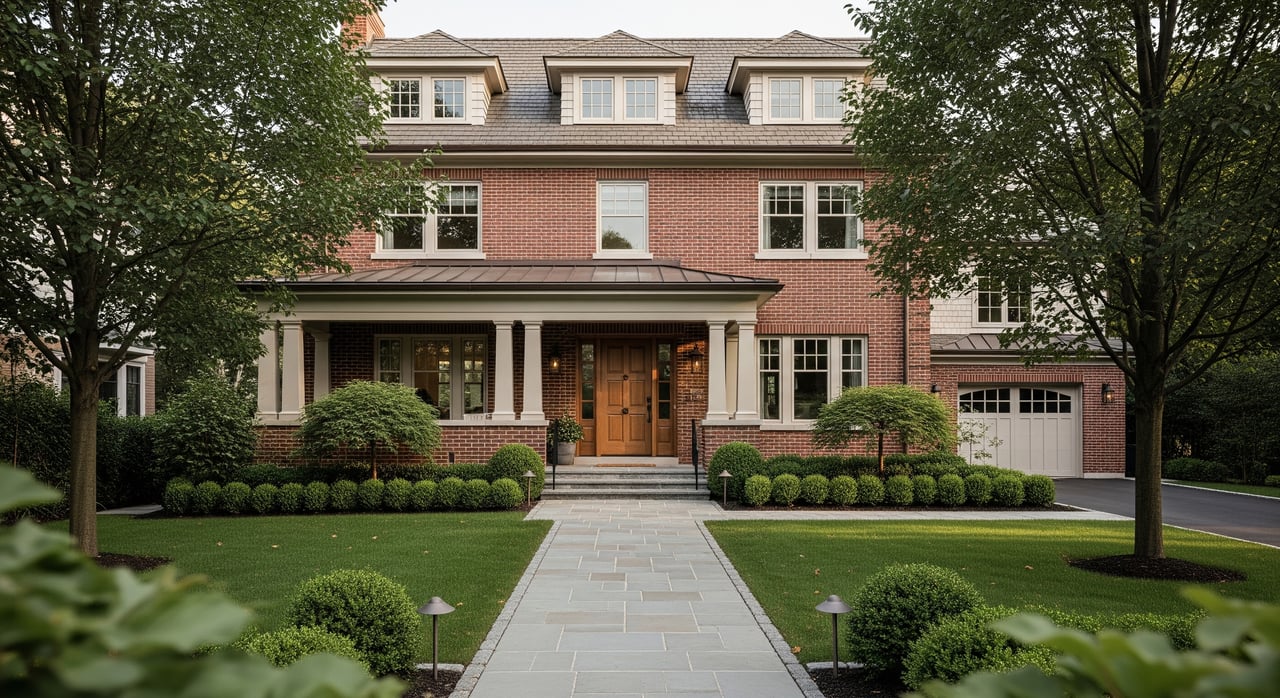
Shopping for your first home in Tonawanda can feel exciting and a bit overwhelming. You want a place that fits your budget, your commute, and your lifestyle near the Niagara River. You also want a clear plan so you can move with confidence. In this guide, you’ll learn what to expect in ZIP 14150, how the New York buying process works, what to look for in older homes, and how to plan your financing and timeline. Let’s dive in.
Why 14150 works for first-time buyers
Tonawanda sits along the Niagara River just north of Buffalo. You get riverfront trails, parks, and a suburban feel while staying close to Buffalo-area jobs and services. Neighborhoods often have older streetscapes and a mix of housing types.
Local prices and market pace can shift year to year. For an up-to-date picture, review recent sold data with your agent and confirm parcel-level details like taxes and utilities with county and municipal offices. Because the river is nearby, it is also smart to check flood risk for any specific property early in your search.
What you will find on the market
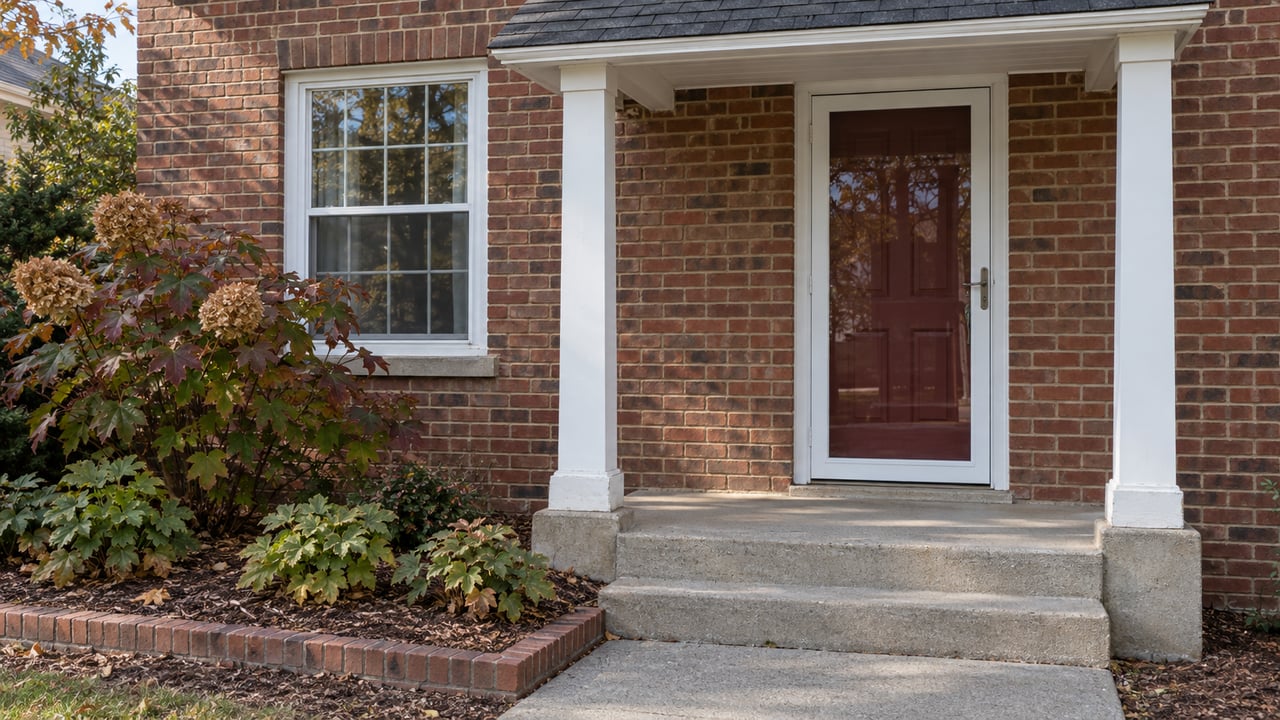
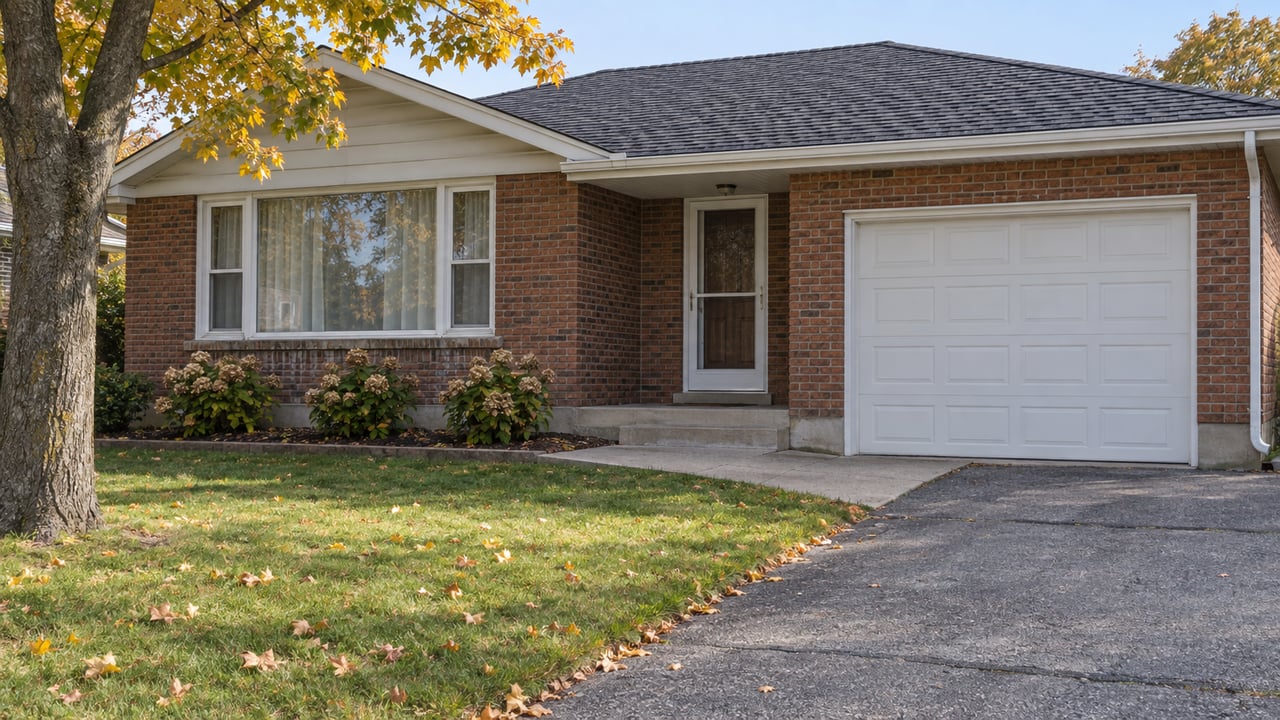
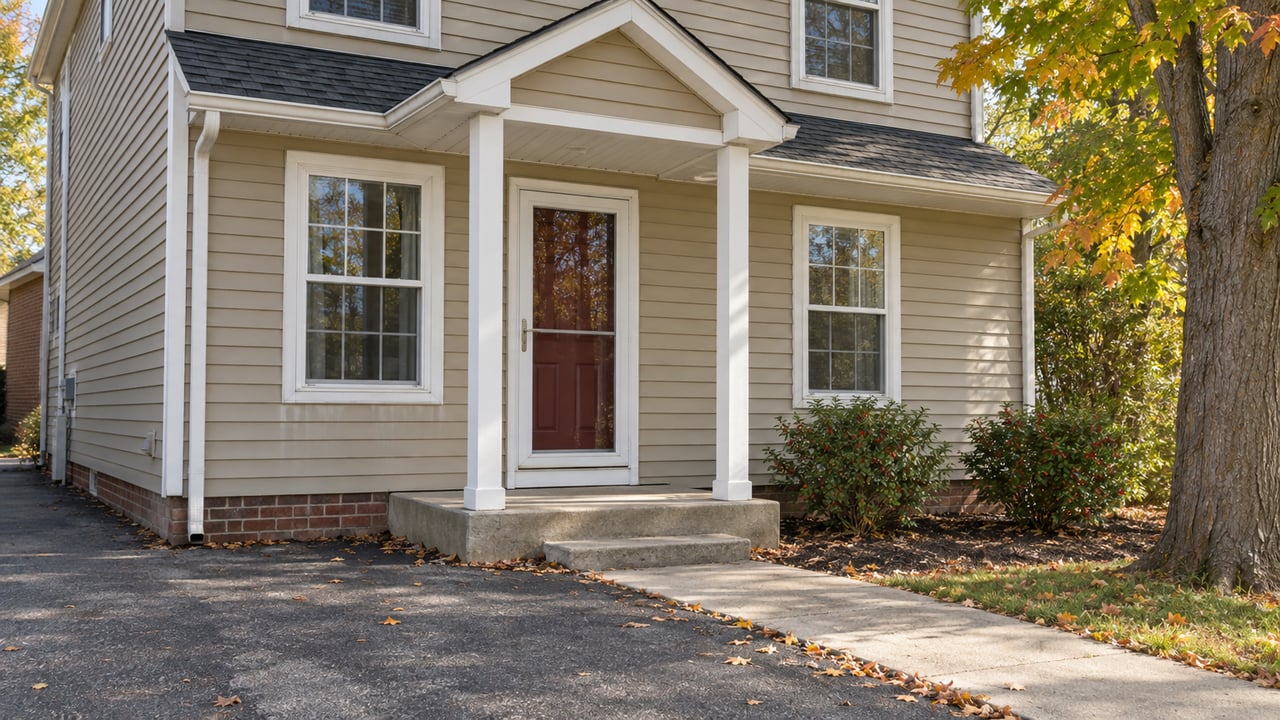
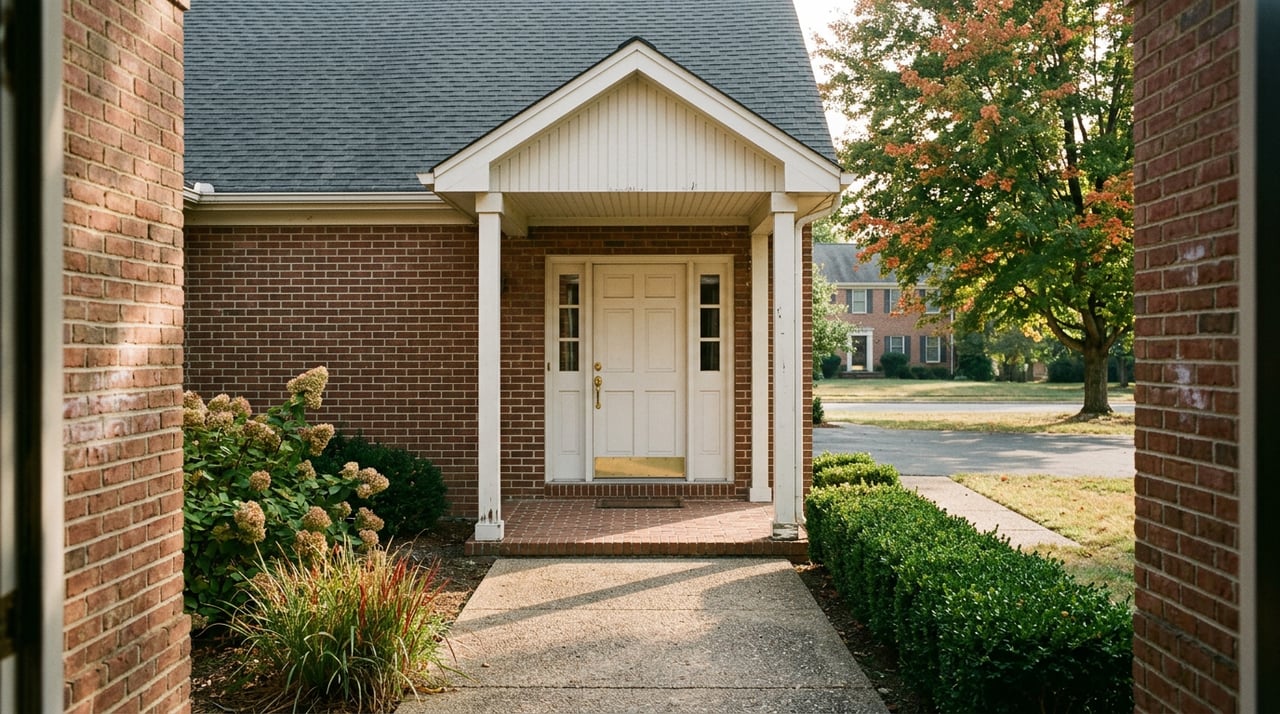
Common home types
- Older single-family homes, including bungalows, Victorians, and brick colonials
- Ranch and cape-cod style homes
- Duplexes and small multi-family properties
- A smaller number of newer infill single-family homes and condos
Age and condition
Many homes are 50 to 100 years old or more. You’ll often see original wood floors, plaster walls, and period trim. Expect aging systems that may need updates, such as older roofs, electrical panels, galvanized plumbing, or masonry and foundation repairs. Factor potential upgrades into your budget and schedule inspections that match the home’s age and location.
Smart inspection priorities in Tonawanda
For older or riverside homes in 14150, make these checks a priority:
- Roof, gutters, flashing, and chimney condition
- Foundation, basement moisture, and grading around the house
- Electrical system capacity and the presence of knob-and-tube wiring
- Plumbing materials such as galvanized supply lines or cast iron drains
- Heating, ventilation, and AC: age, service records, and efficiency
- Lead-based paint in pre-1978 homes and potential asbestos in older materials if you plan to renovate
- Flood exposure, drainage, and whether an elevation certificate is available or needed
A licensed home inspector should do a full general inspection. Based on the property, you may add radon testing, a sewer scope, pest inspection, structural engineer review, HVAC evaluation, or lead paint testing.
Step-by-step buying process in New York
Get ready: budget and pre-approval
- Build your savings for down payment, closing costs, and an emergency reserve.
- In New York, buyer closing costs commonly range from about 2 to 5 percent of the purchase price. Your lender and attorney can give a tailored estimate.
- Get a written mortgage pre-approval before touring. It strengthens your offers and helps focus your search.
- Research state and local programs for first-time buyers. Programs can change, so verify current options and eligibility when you start.
Team up with a local agent
A local agent brings Tonawanda-specific guidance on neighborhoods, flood history, utilities, and common repairs. They also arrange showings, analyze comparable sales, and coordinate with your lender, attorney, and inspectors through closing.
Make the offer and contract
Your offer may include an earnest money deposit and standard contingencies for inspection, mortgage financing, and title review. In New York, attorney involvement is typical. Contracts include time-sensitive periods for inspections, attorney review, and loan approval, so understand deadlines before you sign.
Inspections and due diligence
Complete your general inspection and any specialist inspections within the contract timeline. Confirm whether flood insurance is required or recommended, and obtain an elevation certificate if the property is in a flood zone. Review utilities, municipal services, and zoning details for the specific address.
Appraisal, title, and closing
Your lender will order an appraisal. If the value comes in lower than expected, you may need to renegotiate or adjust financing. A title search and title insurance are standard. In New York, closings often happen at a law office or title company with attorneys present. After signing and funds transfer, the deed is recorded.
Financing and cost planning
Loan options for first-timers
- Conventional loans, often with private mortgage insurance if you put less than 20 percent down
- FHA loans that allow 3.5 percent down for qualified buyers
- VA or USDA loans if you are eligible
- New York State programs that may offer competitive terms and down payment assistance for qualified first-time buyers
Down payment, closing costs, and reserves
Down payments range widely by loan product. Some options start near 0 to 3.5 percent, while conventional loans may require more. Ask your lender to outline cash-to-close early, including down payment, closing costs, and any required reserves. Closing costs typically include appraisal, lender fees, title and attorney fees, recording charges, and prepaids for taxes and insurance.
Property taxes and insurance
Property taxes vary by municipality and school district. Always verify the current tax bill for the specific parcel. Budget for homeowner’s insurance and, if the home is in a flood zone, the added cost of flood insurance.
Assistance programs to research
Look into state first-time buyer programs, Erie County or municipal down payment assistance, and nonprofit housing counseling. Availability, eligibility, and benefit amounts can change, so confirm details as you begin your search.
Commute, schools, and daily life
Getting around
Many Tonawanda buyers commute to Buffalo or nearby employment centers. Check drive times to your regular destinations at actual commute hours. Proximity to I-190 or I-90 and access to regional bus service can make a big difference, especially in winter weather.
Schools and daycare
School district assignment is specific to the property. If schools are part of your decision, confirm the assigned district and review enrollment guidelines directly with the district before you make an offer.
Parks and river access
If being near the water is a priority, verify access points for river trails and parks. For homes close to the Niagara River, confirm any floodplain rules and maintenance obligations tied to the property.
Utilities and winter prep
Confirm whether the home has public water and sewer or any private systems. Ask about trash pickup and snow removal responsibilities. For older homes, plan for energy upgrades such as insulation and window improvements to handle Western New York winters efficiently.
Realistic expectations and negotiation tips
- Price and pace vary by season and year. Use current comps and your pre-approval to set clear search bands.
- Expect to negotiate on price, minor repairs, seller credits, closing date, and contingency lengths.
- In faster markets, sellers may prefer fewer contingencies. In slower periods, you may ask for repairs or credits after inspections.
- Stay flexible on timing and be ready to act when a well-kept home in your range hits the market.
Simple timeline and checklist
- 1 to 2 months before search: review your budget, check credit, build savings for down payment and closing costs, and get pre-approval.
- Weeks 0 to 6: choose your local agent, narrow target neighborhoods and price bands, and start touring.
- After you find a home: submit your offer with pre-approval, negotiate, sign the contract, and deposit earnest money.
- Weeks 2 to 4: complete inspections and any specialist checks. Renegotiate if major issues arise.
- Weeks 3 to 6: finish underwriting, appraisal, and title work. Clear final loan conditions and schedule closing.
- Closing day: sign, fund, and record the deed. After closing, transfer utilities and start any planned improvements.
Ready to start in Tonawanda?
If you want step-by-step guidance tailored to 14150, you deserve a responsive, local partner who knows the market and the process. Reach out to Benjamin Domagala to set your plan, tour the right homes, and move from renter to homeowner with confidence.
FAQs
How much can I afford in 14150?
- Affordability depends on your income, down payment, debt-to-income ratio, and current local prices. Get a lender pre-approval and review recent comps with your agent to set a realistic budget that includes taxes, insurance, utilities, and maintenance.
Are Tonawanda homes at risk of flooding near the river?
- Some properties along the Niagara River face elevated flood risk. Always check official flood maps and local floodplain designations. If a home is in a Special Flood Hazard Area, your lender will likely require flood insurance and you may need an elevation certificate.
Do I need a real estate attorney in New York?
- Yes, attorney involvement is common in New York. Buyers typically hire an attorney to review contracts, handle title issues, and represent them at closing.
What inspections should first-time buyers never skip in 14150?
- A general home inspection is essential. For older or riverside homes, add radon testing, a sewer scope if applicable, structural review when needed, and flood-elevation checks. Consider lead paint testing for pre-1978 homes, especially if you plan to renovate.
How long does closing usually take in Erie County?
- After contract signing, typical timelines range around 30 to 45 days, depending on your loan type, appraisal timing, title findings, and attorney schedules. Your agent and lender can set a realistic closing date in the offer.