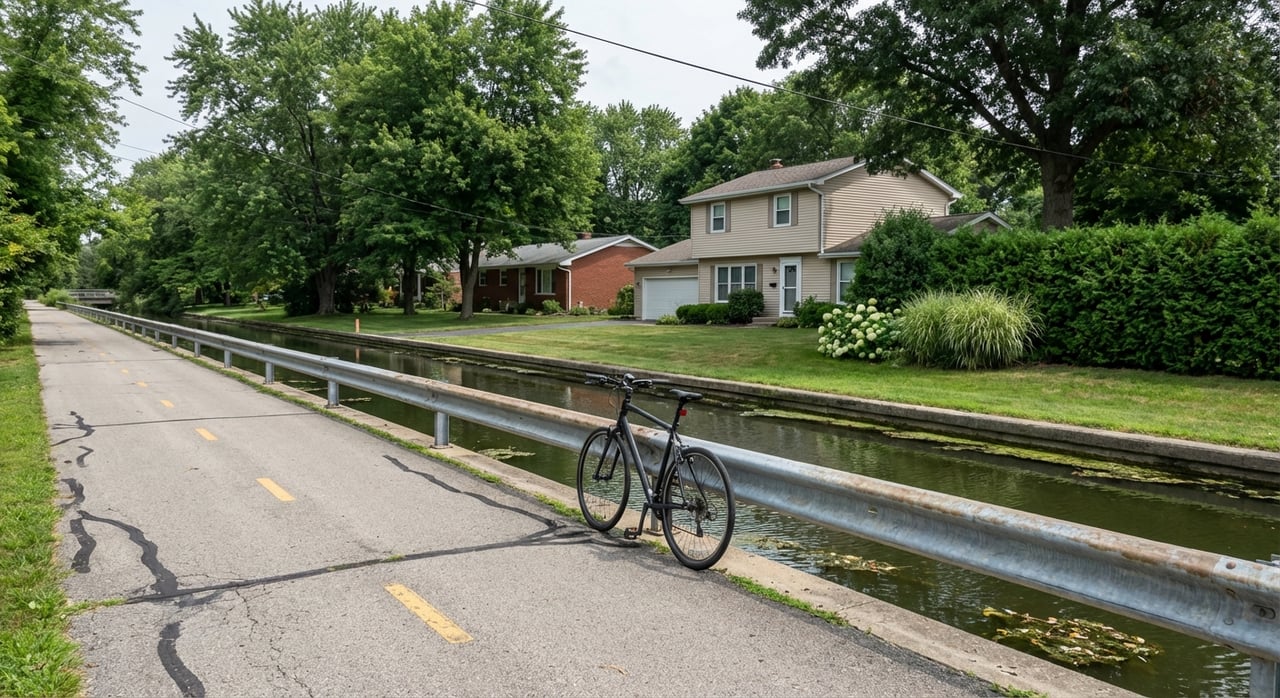
You wake up to the sound of gulls and the sight of water, grab a coffee, and stroll the path along the canal before work. In the evening, you walk to a concert at Gateway Harbor or grab dinner on Webster Street. If that rhythm sounds right, living near the canal in North Tonawanda might be your sweet spot. In this guide, you’ll get a clear picture of daily life by the water in 14120, from trails and parks to homes, commutes, and what to check before you buy. Let’s dive in.
What life by the canal feels like
Living close to the canal puts you in the middle of a walkable, waterfront routine. You can use the multi-use path for morning runs or family bike rides, stop by a marina to watch boat traffic, and plan summer nights around outdoor concerts and festivals.
You are also within reach of downtown conveniences. Webster Street anchors restaurants, cafes, and small shops, and cultural venues host regular programming. In warm months, most energy concentrates along the riverfront and canal corridor with weekly music and community events.
Trails and everyday movement
Erie Canalway and Riverwalk
The canal and riverfront paths connect North Tonawanda and Tonawanda with Buffalo. The Buffalo to North Tonawanda stretch is commonly noted around 15 to 16 miles and is popular for both recreation and occasional commuting. The surfaces are mostly paved near the cities, which makes the route friendly for walkers, cyclists, and families. Explore the route using the official Erie Canalway and Riverwalk trail overview.
Short walks and quick spins
You do not need a long ride to enjoy the waterfront. The canal-adjacent parks and promenades offer short, paved routes that work well for daily walks, stroller runs, and quick evening spins after work. These same stretches fill up on summer evenings when people head out for a casual loop and sunset views over the water. The local waterfront parks are an easy starting point if you want a simple, close-to-home path.
Winter and shoulder season tips
Western New York sees lake-effect snow. Some trail segments are not plowed, so winter walking and biking can be irregular. Spring and fall are excellent for long rides and quiet waterfront walks, with steady trail use and fewer crowds. If you plan to rely on the trail year-round, build in seasonal flexibility and check municipal plowing policies on your nearest segments.
Waterfront parks and how locals use them
Gateway Harbor Park
Just across the canal, Gateway Harbor Park is a summer focal point for both Tonawandas. You’ll see boaters docking, live music, and community events that draw big evening crowds. Check the park’s event calendar and nearby merchant listings to get a feel for weekly rhythms on and around the water. Start with this overview of Gateway Harbor Park and local attractions.
Gratwick Waterfront Park
On the North Tonawanda side, Gratwick Waterfront Park offers picnic areas, a boat launch, and paved walking and biking paths. It is a popular spot for dog walks, kite flying, and watching boat traffic on the Niagara River. Free summer concerts and special events pop up here too. Visitor reviews highlight the space and views at Gratwick Waterfront Park.
Boating and docking
Public access and seasonal docking activate much of the summer scene. If boating is a priority for you, confirm current slip or launch fees and marina operations before you commit. Docks, events, and nearby dining combine into a weekend routine that feels like a mini-vacation close to home.
Food, culture, and small businesses within reach
Webster Street staples
Downtown Webster Street is where you go for coffee, weekday lunches, casual dinners, and small retail. The blocks around the canal have a growing mix of eateries and neighborhood pubs that make it easy to meet friends or grab a bite after a walk.
Cultural anchors: Riviera and Herschell
The historic Riviera Theatre hosts concerts, films, and special events that bring people downtown throughout the year. You can browse upcoming shows on the Riviera Theatre venue listing. A short hop away, the Herschell Carrousel Factory Museum offers family programs and rotating exhibits tied to the region’s carousel-making history. Together, these venues give you a steady calendar of things to do within a quick walk or drive from the canal corridor.
Festival season
Canal Fest is the marquee summer event, bringing parades, car and bike cruises, an arts and crafts show, and waterfront fireworks to the Tonawandas. It is also a big week for local restaurants and small businesses along the water. You can preview the schedule on the Canal Fest official site.
Housing near the canal: styles and options
Historic character and classic styles
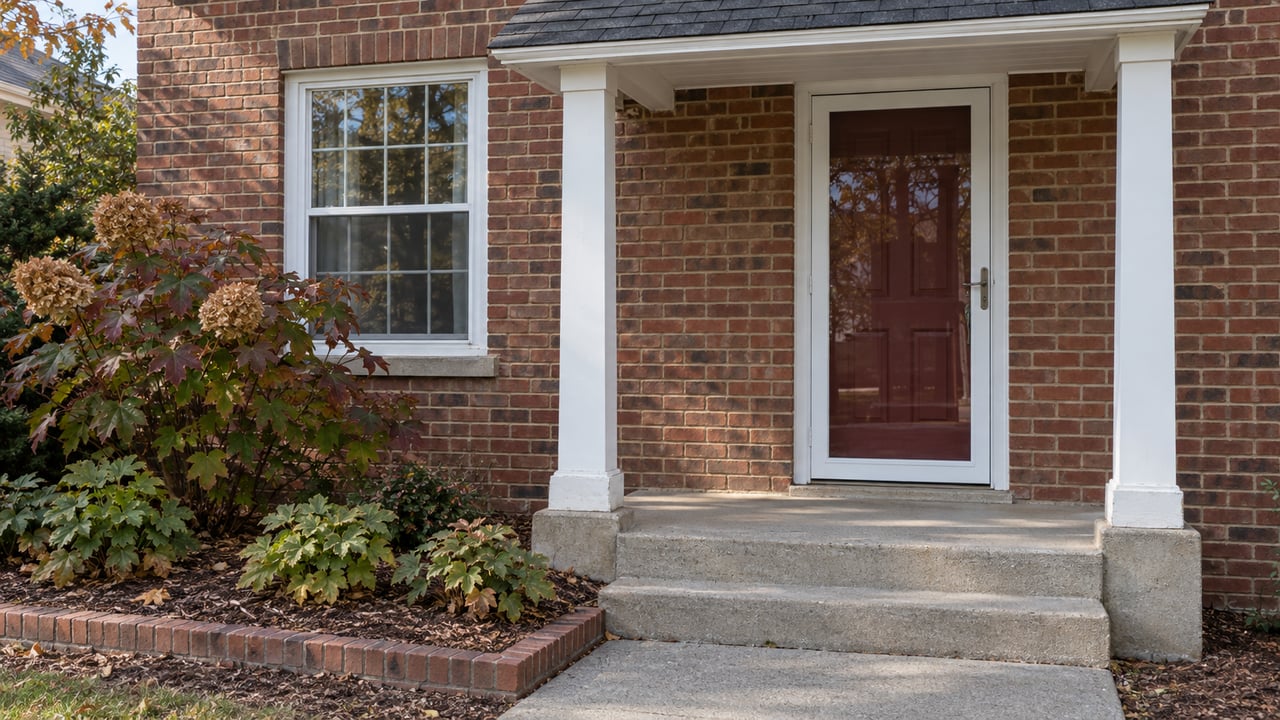
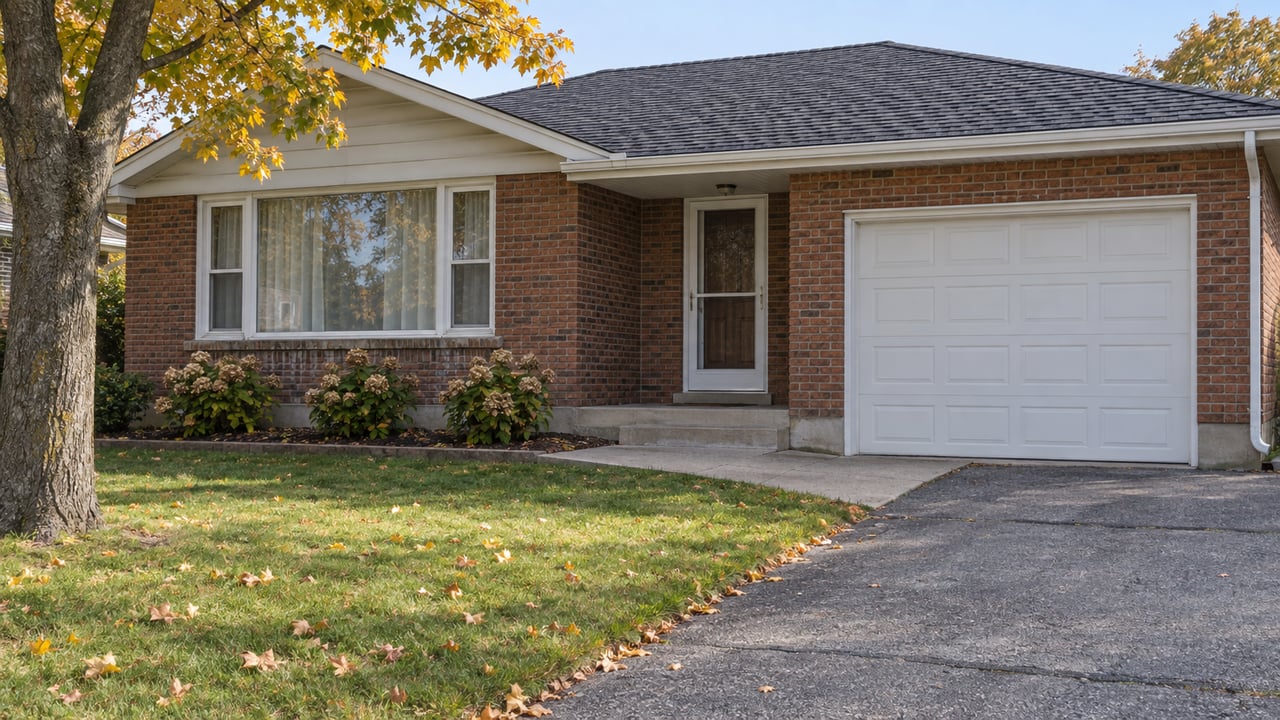
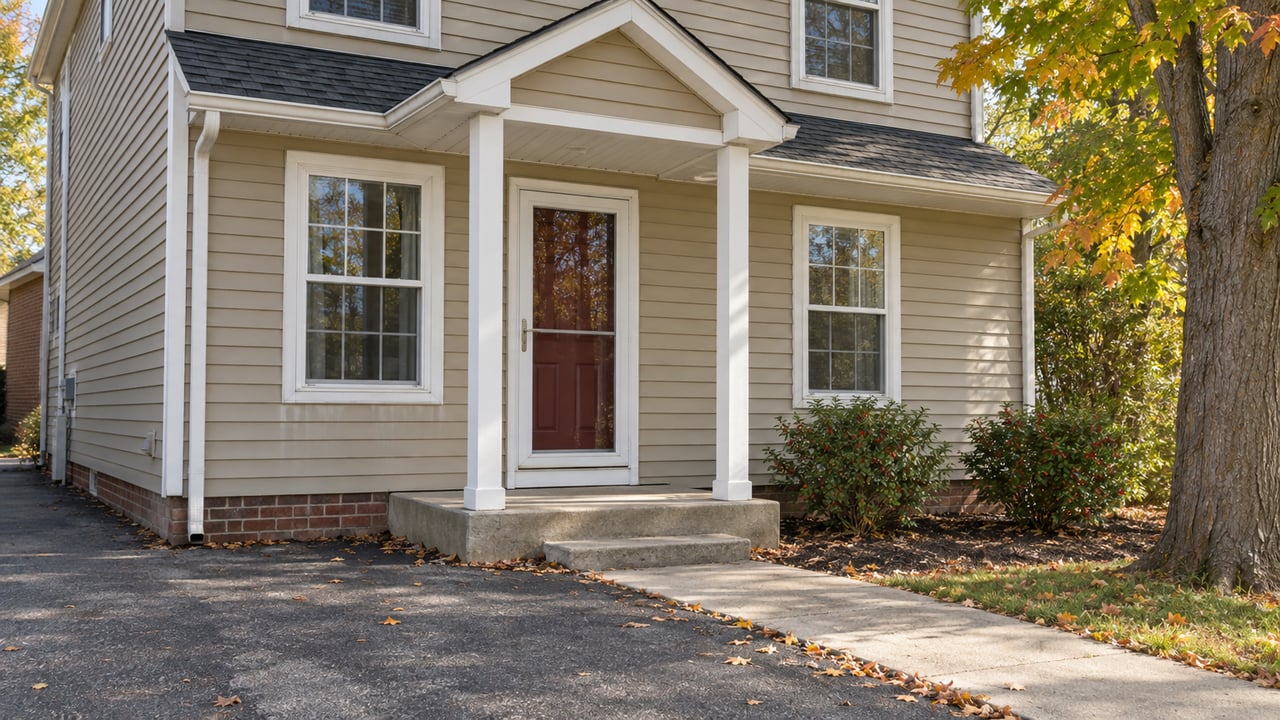
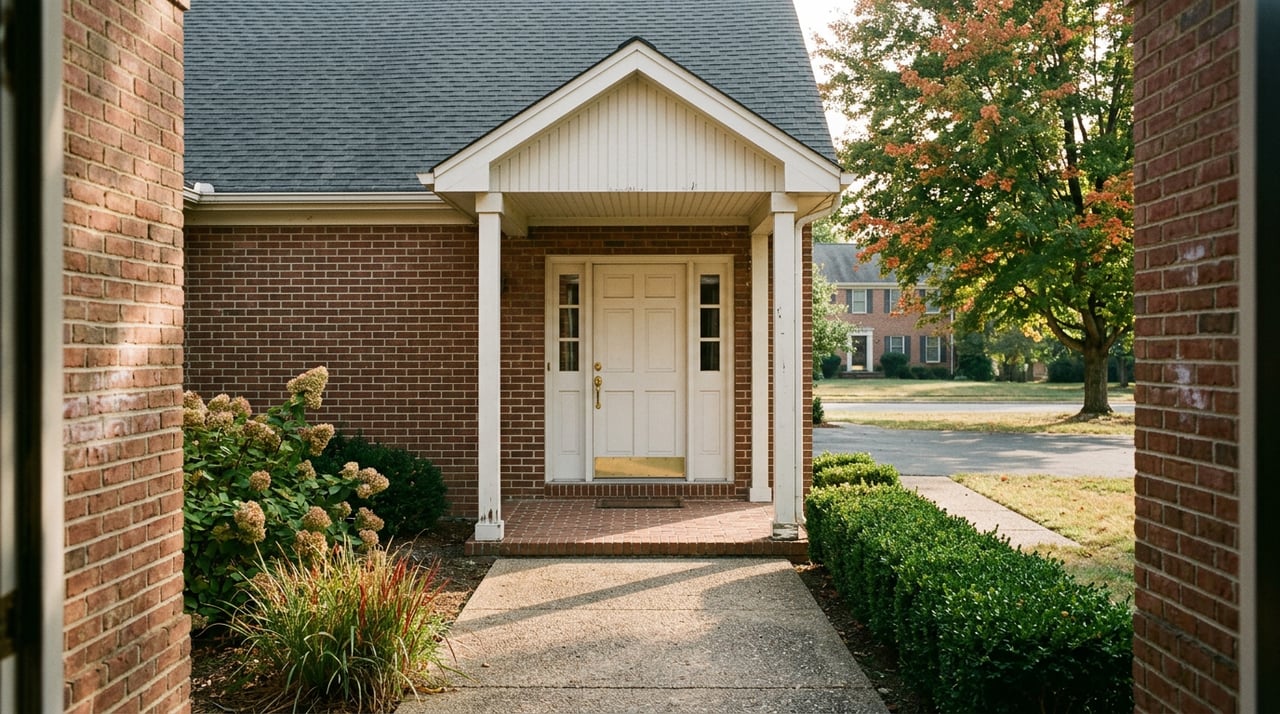
Neighborhoods a short walk from the canal include late 19th and early 20th century homes with a range of architectural styles. You will find Victorian, Queen Anne, Colonial Revival, Craftsman bungalows, American Foursquares, and modest worker cottages on tree-lined blocks. For a deeper look at local housing character, review the Sweeney Estate historic survey summary on North Tonawanda History.
Adaptive reuse and new inventory
Recent downtown investment is adding mixed-use and residential options near the canal corridor. Examples include renovations and conversions that bring new apartments and condos to the market. One visible project, the 211 Main Street redevelopment, illustrates the kind of adaptive reuse shaping future inventory near downtown and the waterfront.
Price snapshot and what to expect
Citywide median sale prices often land in the low to mid hundreds of thousands, and the market moves with season and condition. Renovated historic homes, waterfront-proximate properties, and newer downtown units can trade above the citywide median. If you are comparing older stock to updated or canal-close homes, expect different pricing bands and plan to review recent comparable sales on a block-by-block basis.
Commutes and daily errands
Driving to Buffalo
North Tonawanda is roughly 14 miles from downtown Buffalo. Typical non-peak drives are commonly reported around 20 to 30 minutes, depending on route and traffic. You can verify the distance and travel context with this North Tonawanda to Buffalo drive overview.
Public transit and biking
NFTA bus service connects the Tonawandas to Buffalo and other parts of Erie and Niagara counties. Service exists, but frequency and transfers often make buses slower than driving. You can read a general overview of the system on the Niagara Frontier Transportation Authority page, then confirm current timetables for your exact stop.
If you prefer to bike, the canal and riverfront paths offer a scenic route into the region, and some residents combine cycling with park-and-ride or transit. For commuting, build in extra time and test your door-to-door ride on your typical schedule.
Everyday essentials
Near the canal corridor, you will find grocery stores, drugstores, and healthcare options within a short drive. DeGraff Memorial Hospital sits near downtown North Tonawanda, and the North Tonawanda City School District serves the area. Store locations and service hours vary by block, so it helps to map your most frequent errands during a test visit.
Year-round living on the water
Summer peak
Summer is the season when the waterfront shines. Expect concert series at Gateway Harbor and local parks, Canal Fest week with fireworks and parades, and patios along Webster Street. Trails are busiest on sunny weekends, and docks bring in boaters and visitors.
Spring and fall
These shoulder seasons are ideal for long rides and quieter evenings by the water. Event calendars taper from summer peaks, but trails and restaurants stay active. If you value milder temperatures and open paths, spring and fall will likely be your favorite months for everyday canal living.
Winter reset
Lake-effect snow can change routines for a few months. Outdoor programming slows, and some trail segments are not cleared. If you plan on year-round walking, consider traction aids and adjust expectations. The flip side is that you get peaceful riverfront views after snowfall and a cozy downtown scene until spring.
Smart next steps if you are buying
- Verify flood zones. Waterfront and low-lying parcels can be in Special Flood Hazard Areas. Use the official FEMA Flood Map Service Center for property-level checks and insurance implications.
- Confirm commuting options. Review the NFTA system overview and test your door-to-door travel time at peak and off-peak.
- Sample the lifestyle. Attend a show at the Riviera Theatre, bring the family to the Herschell Carrousel Factory Museum, and plan a night at Canal Fest.
- Walk your daily routes. Try the canal path, visit Gateway Harbor, and time a grocery or pharmacy run from homes you are considering. Use the Erie Canalway trail overview to map your favorite segments.
- Watch inventory by home type. If you want historic charm, focus on older blocks near downtown. If you prefer something newer or low maintenance, track adaptive reuse or mixed-use conversions like 211 Main Street.
Ready to explore canal-close homes in North Tonawanda and compare real-time pricing by block and condition? Reach out to Benjamin Domagala for local guidance and a smooth search.
FAQs
What is daily life like near the canal in North Tonawanda?
- Expect regular walks or rides on the waterfront path, seasonal concerts and events, and easy access to Webster Street dining and small shops during the warmer months.
How long is the commute from North Tonawanda to downtown Buffalo?
- The drive is roughly 14 miles, commonly around 20 to 30 minutes outside of peak traffic. Bus options exist but usually take longer due to transfers.
Are there parks and trails within walking or biking distance of canal-area homes?
- Yes. The canal and riverfront paths connect to local parks, with short, paved segments suited to daily walks and family rides, plus longer routes toward Buffalo.
What types of homes are common near the canal?
- You will see a mix of late 19th and early 20th century houses, bungalows, Foursquares, and modest cottages, with some newer apartments and condo conversions downtown.
Do I need flood insurance for canal-adjacent properties?
- It depends on the parcel. Check the FEMA Flood Map Service Center for a property’s zone and speak with your insurer to understand coverage and cost.