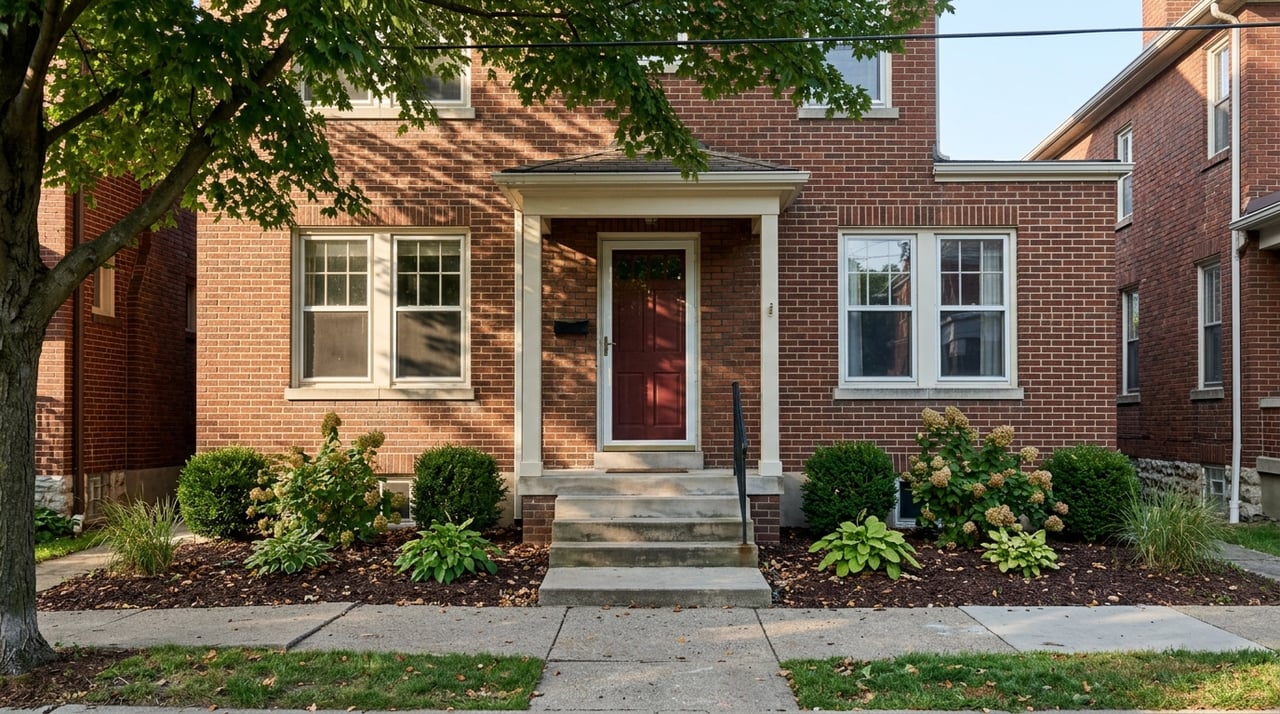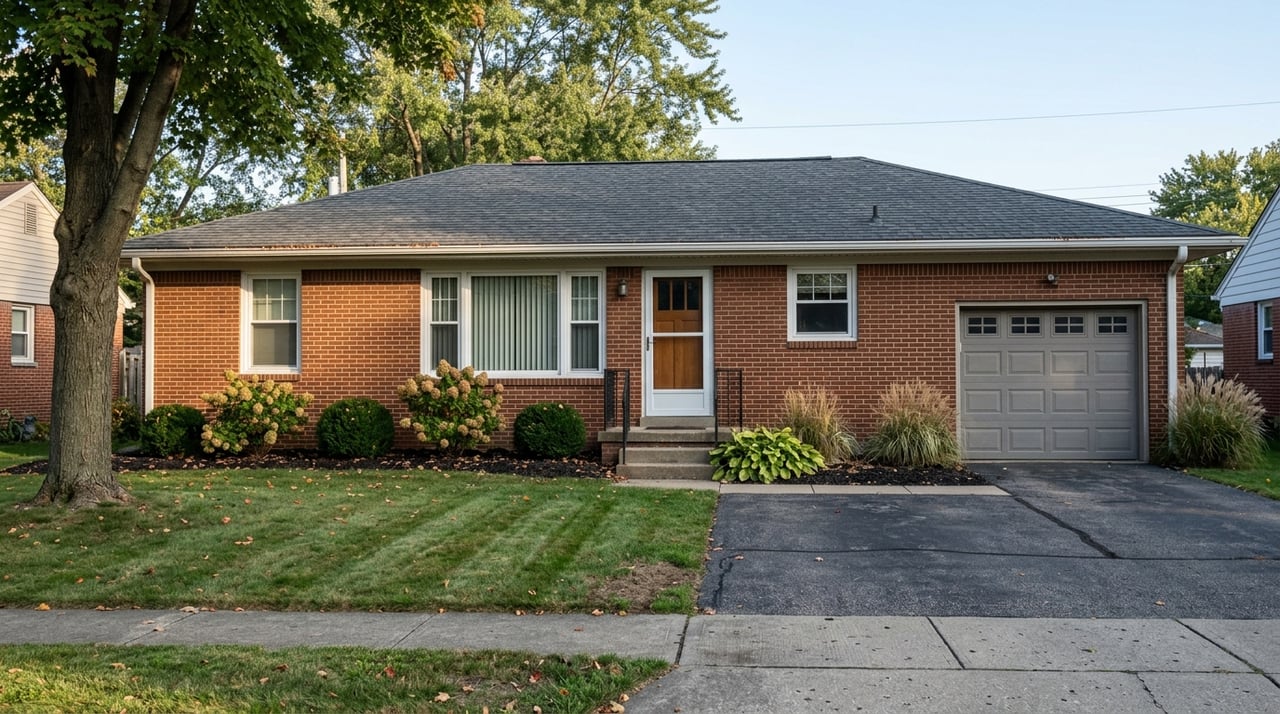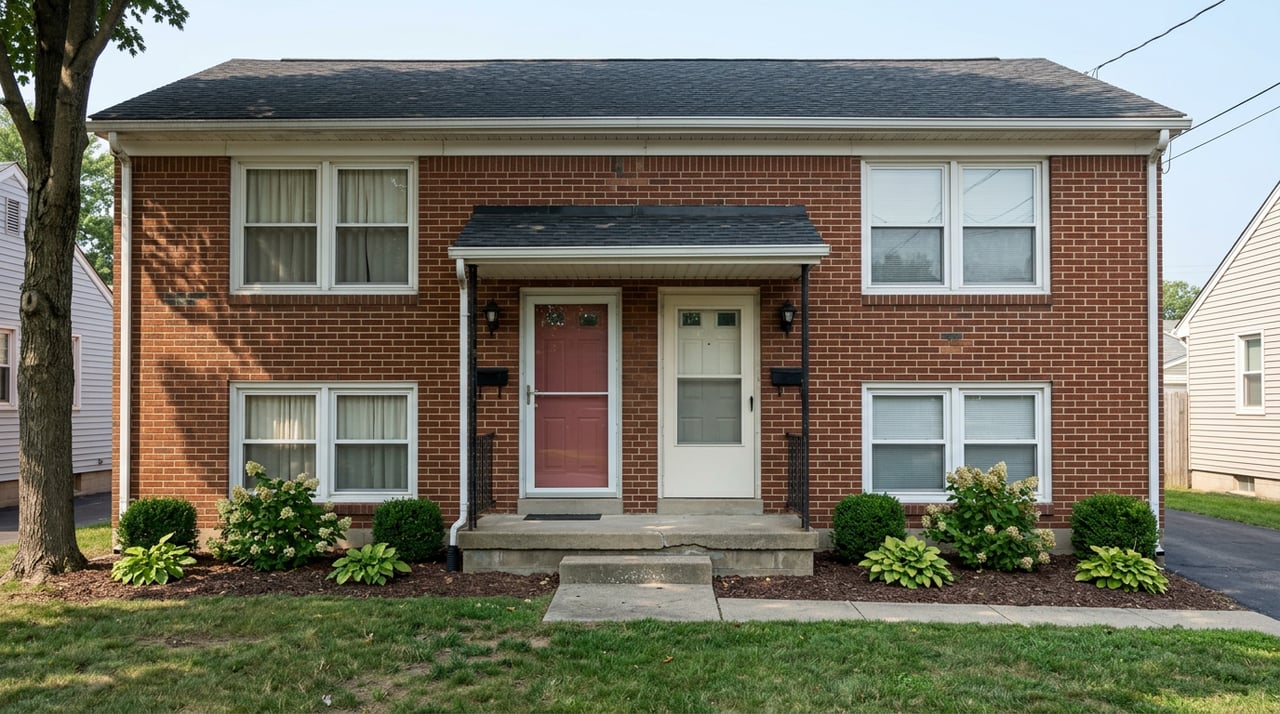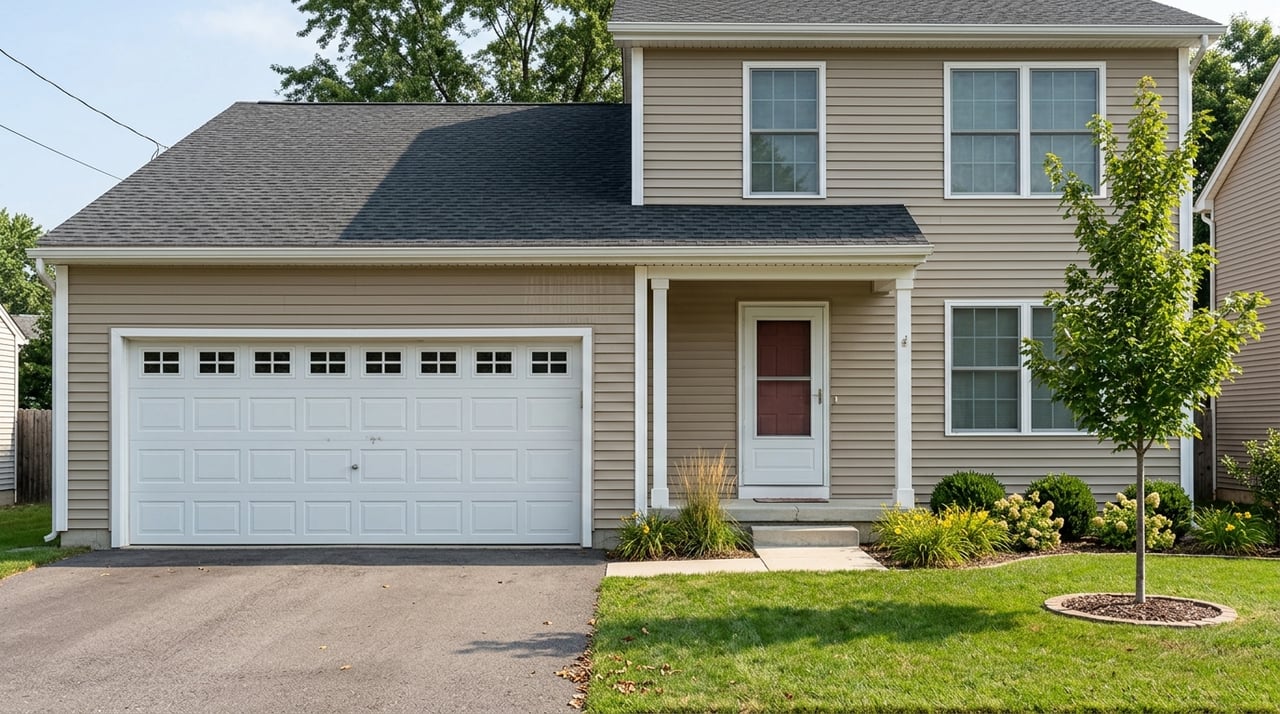
If you are deciding between new construction and a resale home in Harris Hill, you are not just comparing finishes or floor plans. You are choosing between very different timelines, lot styles, price points, and levels of upkeep in a market where inventory is tight and options are selective. In this guide, you will get a clear local breakdown of what each path really looks like in 14221 so you can move forward with more confidence. Let’s dive in.
Harris Hill market conditions
Harris Hill is a seller-leaning market, which shapes both new construction and resale decisions. Redfin’s Harris Hill housing market data showed a median sale price of $425,500 in January 2026 and 37 median days on market. Realtor.com also described the area as a seller’s market in February 2026, with homes selling at about 101% of list price.
Inventory is also limited. Zillow’s Harris Hill housing search showed only a small number of new-home options as of March 31, 2026, which reflects a broader local reality. In Harris Hill, the decision is usually not between endless choices. It is more often a choice between a few planned subdivision opportunities, occasional infill or redevelopment sites, and existing homes on established streets.
New construction in Harris Hill
New construction in Harris Hill is limited and tends to be concentrated in planned communities. Current new-home listings were mostly tied to areas like Kandefers Trail and Boncrest West, with asking prices ranging from about $1.06 million to $2.48 million. Clarence planning documents also point to active or recent residential projects like Woodland Hills, Spaulding Green Phase 8, and Harris Hill Commons Phase 4.
That matters because a new-build search here is often project-based. Instead of touring many scattered new homes, you are more likely evaluating a small number of lots or homes within a phased subdivision. For buyers who want new systems and a more planned layout, that can be appealing, but it also narrows your options.
What you get with a new build
The biggest draw of new construction is control. The National Association of Realtors notes that buyers may be able to customize options before and during construction. That can mean choosing finishes, layouts, or certain design details depending on the builder and stage of construction.
You may also benefit from newer materials and more efficient design. The U.S. Department of Energy says energy-efficient home design can improve comfort, durability, and long-term energy savings. For many buyers, that shifts some near-term spending away from repairs and toward the upfront purchase price.
What to expect from the process
A new-build purchase usually comes with a longer and more detailed timeline. The Town of Clarence new-home construction process requires items like surveys, site plans, soil testing, engineered plans, energy paperwork, plumbing signoff, driveway or highway approval, and sewer paperwork where needed. The town also states that lot clearing or filling cannot begin before the permit application is complete.
Financing can also look different. The Consumer Financial Protection Bureau notes in its broader homebuying guidance that construction loans are short-term loans paid out in stages and often carry higher rates than standard mortgages. Buyers should also be prepared for deposits on homes that are not yet built and should know they can still shop around for financing, even if a builder has an affiliated lender.
Lot style and neighborhood layout
In Harris Hill, new construction often means a more planned environment. Clarence open-space subdivision rules require at least 50% of a project site to remain natural open space, and local project materials show how lot reductions have been used in some phases to preserve that open space. In projects like Harris Hill Commons, planning materials also included sidewalks, buffers, and stormwater features.
For you, that may mean a tradeoff. You may get newer infrastructure and a more coordinated neighborhood design, but your private yard may feel different from what you would find on many older streets. If lot size and yard privacy are priorities, this is one of the most important details to compare.
Resale homes in Harris Hill
Resale homes in Harris Hill often offer more variety in architecture, lot size, and setting. Local listing examples cited in the research include homes from the 1930s and 1950s, with lot sizes ranging from around 0.29 acres to 1.4 acres. That range is hard to ignore if you want mature trees, deeper backyards, or a more established streetscape.
Pricing can also be broader on the resale side. While Redfin’s local market data showed a median sale price of $425,500, current example listings in the area ranged from roughly $334,900 to $649,000. That does not mean resale homes are automatically bargains, especially in a seller’s market, but it does mean you may have more flexibility across price points.
What resale homes tend to offer
If your timeline is short, resale usually has the edge. Existing homes can often support a faster closing and quicker occupancy than a home that is still in planning or construction. That can be a major advantage if you need to line up a move with work, family timing, or the sale of your current home.
Resale homes can also give you access to lot features that are hard to replicate in newer developments. Mature landscaping, wooded settings, and more varied setbacks are common draws. In Harris Hill, that local character is a real part of the appeal.
What to budget for with resale
The tradeoff is due diligence. The CFPB recommends scheduling an independent home inspection as soon as possible and notes that major repairs may be required before closing. Buyers should also set aside funds for repairs and improvements after closing.
In practical terms, an older home may come with more near-term projects. Systems, roofs, windows, drainage, or cosmetic updates may need attention sooner than they would in a newly built home. That does not make resale the wrong choice, but it does mean you should compare not just purchase price, but your likely first-year costs.
Side-by-side comparison
Here is a simple way to think about the choice in Harris Hill:
| Factor | New Construction | Resale |
|---|---|---|
| Inventory | Limited and concentrated in subdivisions | Broader mix of homes and settings |
| Price range | Current listings skew high | Wider range of price points |
| Timeline | Longer due to permitting and build process | Usually faster move-in |
| Customization | More opportunity before completion | Usually limited to post-closing updates |
| Maintenance | Lower near-term maintenance in many cases | Greater chance of repairs or updates |
| Lot character | More planned, often with open-space design | More variety, often with mature landscaping |
Questions to ask before choosing
A smart Harris Hill decision usually comes down to asking the right local questions early. These questions can help you compare options more clearly:
- Where are the remaining buildable lots or active phases?
- How much private yard space comes with the lot?
- How long will permitting and construction extend your timeline?
- What deposits or financing structure will the builder require?
- If buying resale, what repairs or capital expenses should you budget for after closing?
- How does the total cost compare once you include closing costs, upgrades, and likely first-year work?
Those questions matter because the numbers can shift quickly. The CFPB notes that typical closing costs are often 2% to 5% of the purchase price before the down payment, and DOE guidance says high-performing homes may cost about 4% to 8% more than a similar code-built home after incentives. Looking at the full cost picture helps you avoid comparing only the list price.
Which option fits you best?
New construction may be the better fit if you want customization, newer systems, and less immediate maintenance, and you are comfortable with a higher price point and a longer process. In Harris Hill, that path is usually tied to a small number of planned projects rather than a wide open field of options.
Resale may be the better fit if you want a quicker move, more lot diversity, or a broader range of price points. It can be especially appealing if you value mature landscaping and established streets, and you are prepared to do careful inspections and budget for future improvements.
In a market like Harris Hill, there is no one-size-fits-all answer. The best move is the one that matches your budget, timeline, and comfort level with tradeoffs. If you want help weighing a specific new-build opportunity against a resale home in 14221, connect with Benjamin Domagala for local guidance tailored to your move.
FAQs
Is new construction common in Harris Hill, NY?
- New construction exists in Harris Hill, but current options are limited and mostly concentrated in planned subdivisions and phased projects rather than spread evenly throughout the area.
Are resale homes cheaper than new construction in Harris Hill?
- Resale homes often offer a broader price range than current new construction, but Harris Hill remains a seller’s market, so older homes do not automatically sell at a steep discount.
How long does new construction take in Clarence near Harris Hill?
- The timeline can be longer because the town requires surveys, plans, testing, approvals, and inspections before and during construction, so buyers should expect more process than a standard resale purchase.
What are the main benefits of buying a resale home in Harris Hill?
- The biggest advantages are usually faster move-in, more variety in lot sizes and home styles, and access to mature landscaping or wooded settings.
What should buyers inspect in an older Harris Hill home?
- Buyers should schedule an independent inspection and pay close attention to major systems, repair needs, and likely post-closing improvement costs before deciding on a resale purchase.