If you want more buyers to stop scrolling and start booking showings, staging matters more than many sellers realize. In Tonawanda’s 14150 ZIP code, where many homes are older, owner-occupied single-family properties, presentation can make a big difference in how your home feels both online and in person. The good news is that effective staging usually is not about a full makeover. It is about helping buyers see space, function, and care from the first photo to the final walkthrough. Let’s dive in.
Why staging matters in Tonawanda
Tonawanda’s 14150 ZIP code has about 41,260 residents, 20,271 housing units, and a median owner-occupied home value of $200,700. A recent local housing snapshot also shows that about 74% of homes are 1-unit detached properties, more than 70% are owner-occupied, and many homes were built before 1960. That means buyers in this area are often comparing classic Western New York homes where layout, light, and condition stand out quickly.
In a market where Realtor.com reported a median listing price of $234,900, 105 homes for sale, and 22 median days on market, your home needs to make a strong impression early. Staging helps your listing compete at the point when buyers are making fast decisions online. A clean, simple, well-planned presentation can help your home feel more inviting from day one.
Focus on photos first
Staging is not just for open houses or private showings. It is a marketing step that starts before your listing goes live. According to the 2025 Profile of Home Staging, 88% of sellers’ agents said photos were important, and 73% of buyers’ agents said photos mattered to their clients.
That matters in Tonawanda because many homes have traditional floor plans, smaller room sizes, or older finishes that can feel heavier in photos if they are cluttered or overfurnished. Good staging helps rooms read more clearly on screen. Buyers should be able to understand the space within seconds of seeing the listing.
Start with the highest-impact rooms
You do not need to stage every room at the same level. National staging data shows the living room is the top priority, followed by the primary bedroom and kitchen. Those are the spaces where buyers tend to form their strongest emotional and practical reactions.
If your budget or time is limited, start there. In many Tonawanda homes, these rooms carry the listing because they show how the home lives day to day. When these key areas look bright, open, and functional, the rest of the home often feels stronger too.
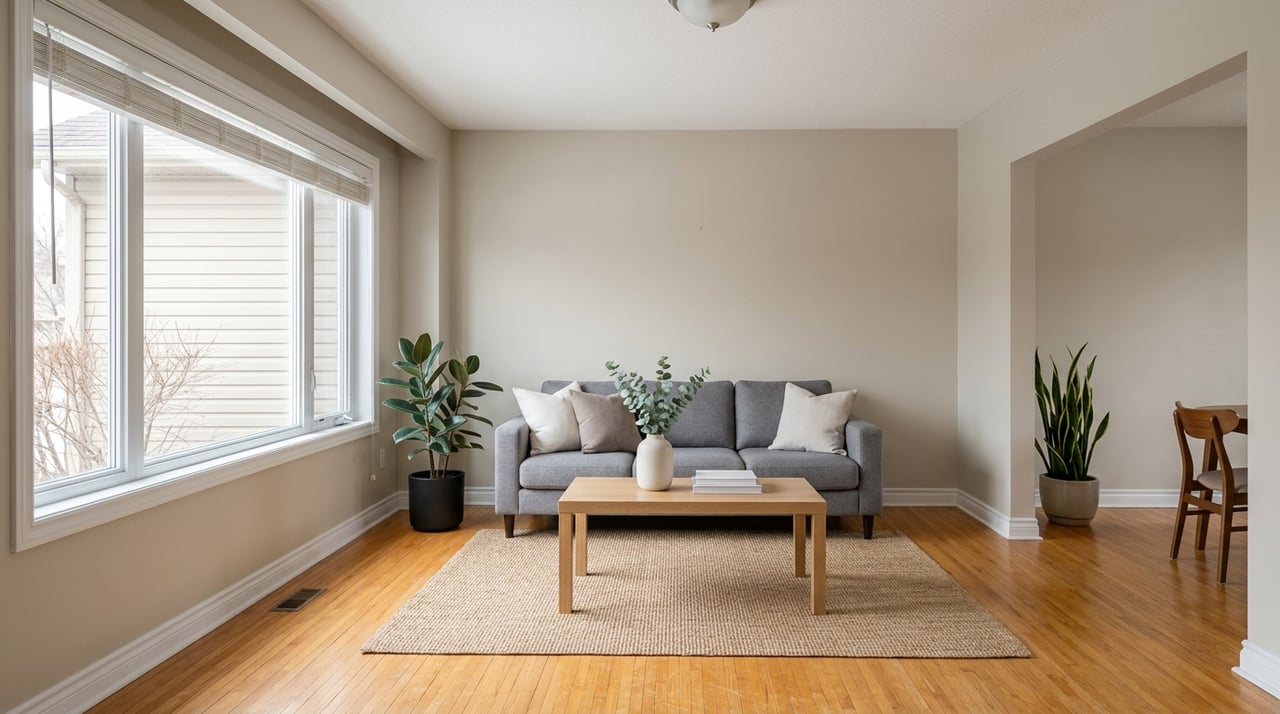
Stage the living room for space
The living room is often the first major interior space buyers see in photos. Remove extra chairs, side tables, and bulky pieces that block sightlines. If the room feels tight, fewer items usually work better than trying to fill every corner.
Your goal is to create easy flow. Buyers should be able to picture where they would sit, walk, and gather. In older homes with smaller footprints, clear circulation paths can make the room feel larger without changing anything structural.
Simplify the kitchen and dining area
In the kitchen, clear the counters as much as possible. Leave only a few practical or decorative items so the workspace looks usable and clean. Small appliances, paper clutter, magnets, and excess decor can make the room feel busy in photos.
If you have a dining area, make its purpose obvious. Even a compact eat-in kitchen or dining nook should look intentional. A simple table setting, clean surfaces, and open floor space can help buyers understand how the area functions.
Keep the primary bedroom calm
The primary bedroom should feel restful and uncluttered. Use simple bedding, limit extra furniture, and put away laundry, baskets, and visible storage bins. If pet beds or crates are in the room, move them out for photos and showings.
Buyers tend to respond well to bedrooms that feel calm and easy to maintain. In an older Tonawanda home, that can also help a smaller room feel more comfortable and less cramped. Soft, simple presentation usually works better than bold styling.
Make every room easy to understand
One of the biggest staging mistakes is leaving a room with no clear purpose. If you have a small back room, enclosed porch, finished attic space, or awkward bonus area, give it a simple, believable use. Buyers respond better when they can quickly understand how a space fits into daily life.
That does not mean forcing a trendy setup. It means choosing one use and staging around it. A small room can be shown as a home office, reading room, guest space, or hobby area, as long as the layout feels realistic and uncluttered.
Use lighter, simpler styling for older homes
City of Tonawanda assessor records show common local home styles include Old Style, Cape Cod, Ranch, Raised Ranch, Colonial, and Bungalow. Many date to the early or mid-20th century. These homes often show best when furniture arrangements are simple and decor is restrained.
Heavy window treatments, oversized furniture, and too many accessories can make rooms feel smaller and darker. Instead, aim for a brighter and more open look. Neutral colors, clean surfaces, and well-placed lighting can help traditional layouts feel more current and more spacious.
Declutter, depersonalize, and repair
Staging is not only about furniture. It also includes cleaning, decluttering, depersonalizing, repairing, and updating the home so buyers can picture themselves living there. That means removing highly personal items, trimming back collections, and taking care of the small issues buyers notice right away.
Before photos, focus on these basics:
- Remove excess furniture and decor
- Clear kitchen and bathroom counters
- Put away personal photos and memorabilia
- Organize closets and storage areas
- Replace burned-out light bulbs
- Touch up minor scuffs where appropriate
- Deep clean floors, windows, and surfaces
These steps are often more valuable than buying new decor. Buyers notice when a home feels cared for, and that confidence carries into the rest of the showing.
Think about curb appeal in every season
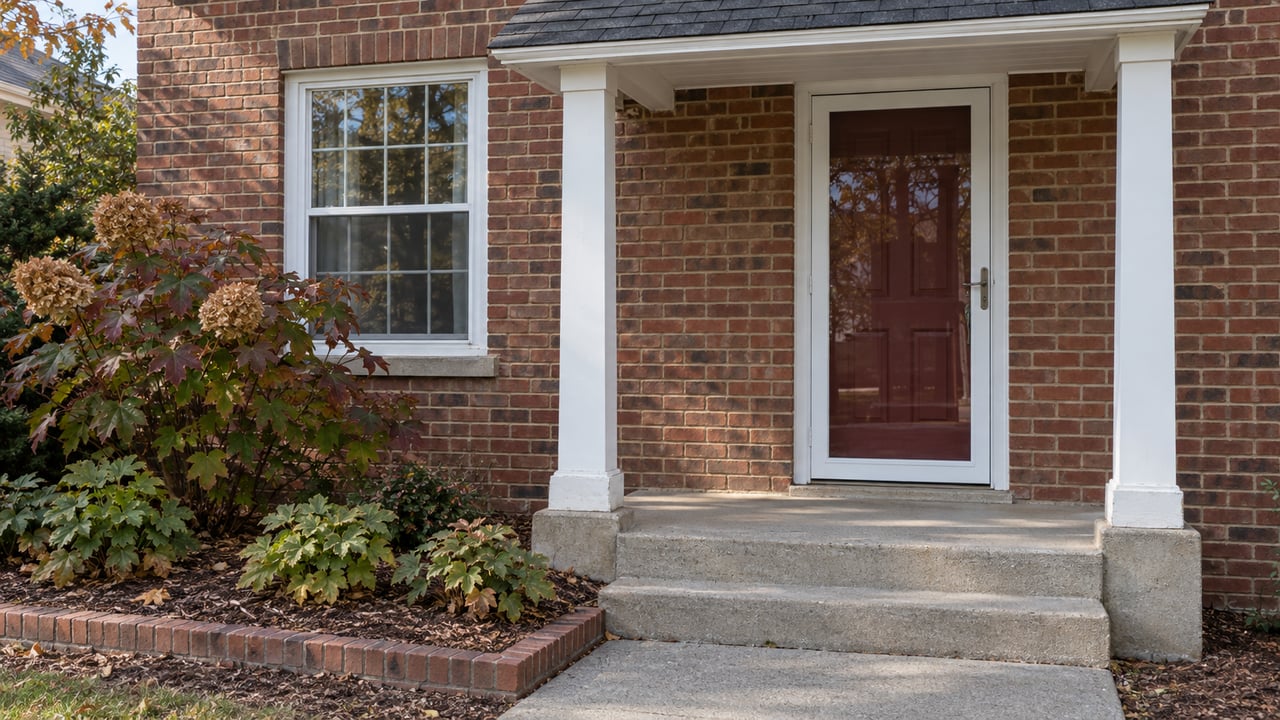
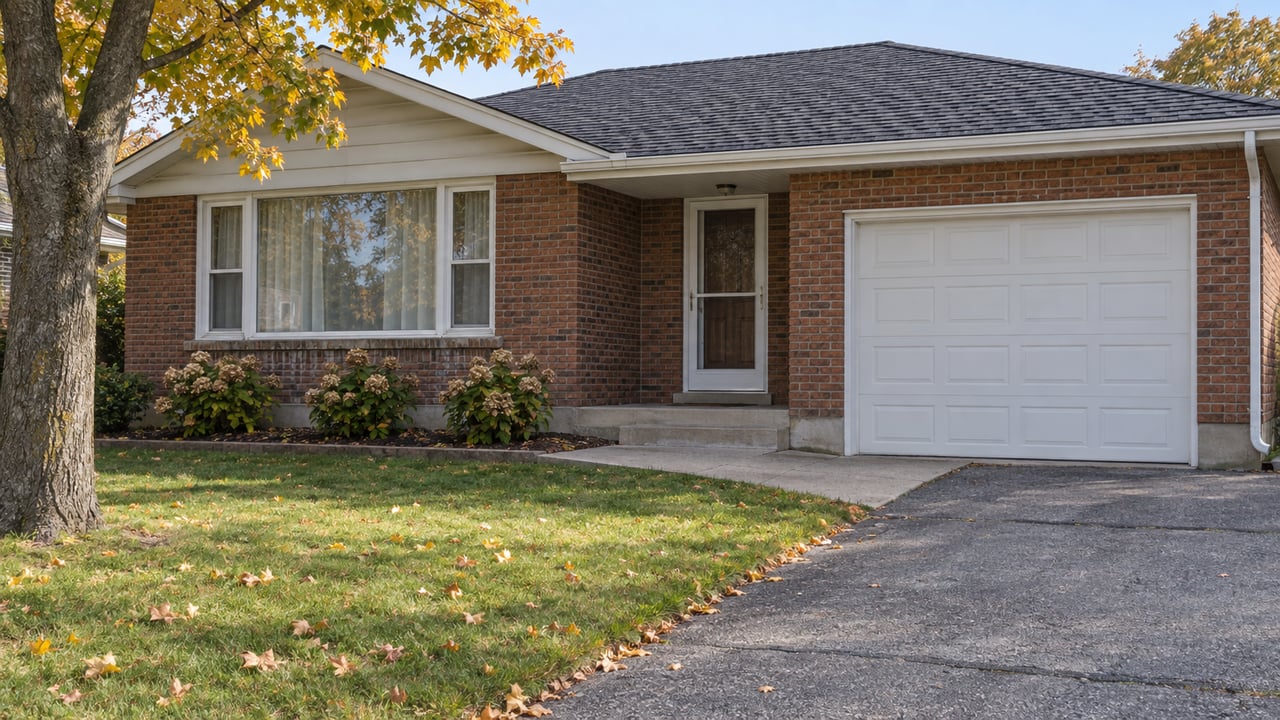
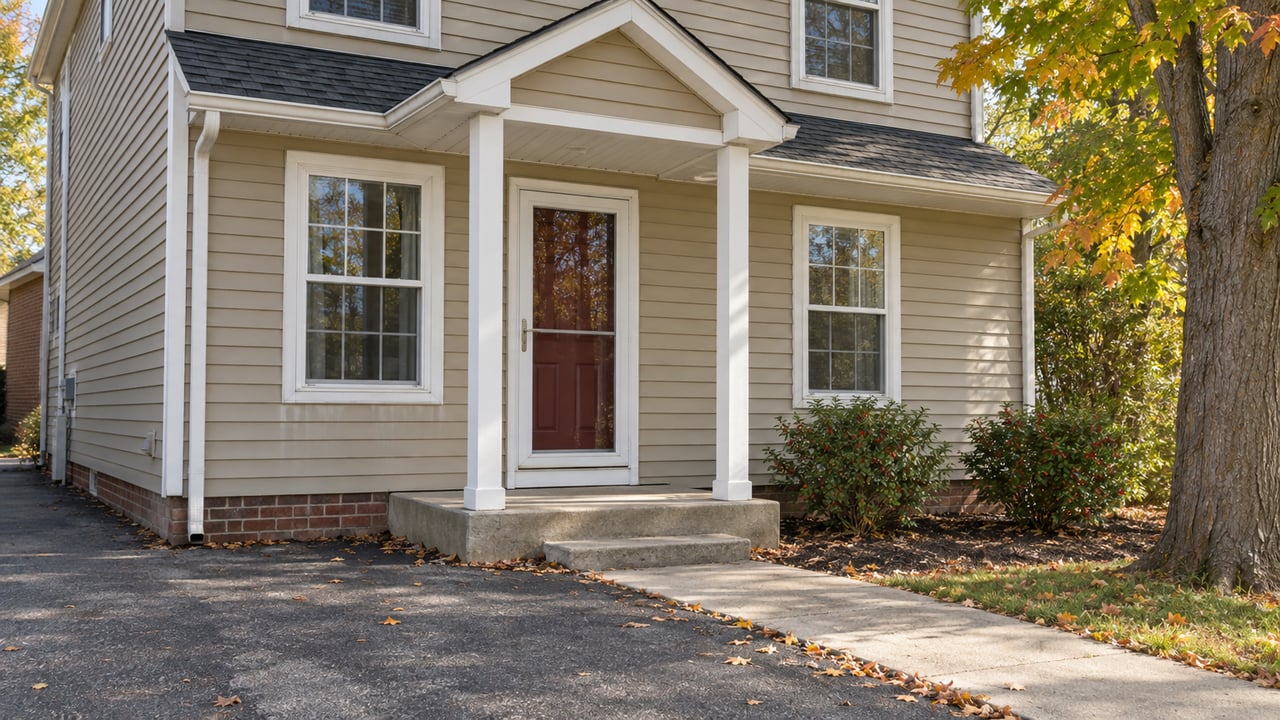
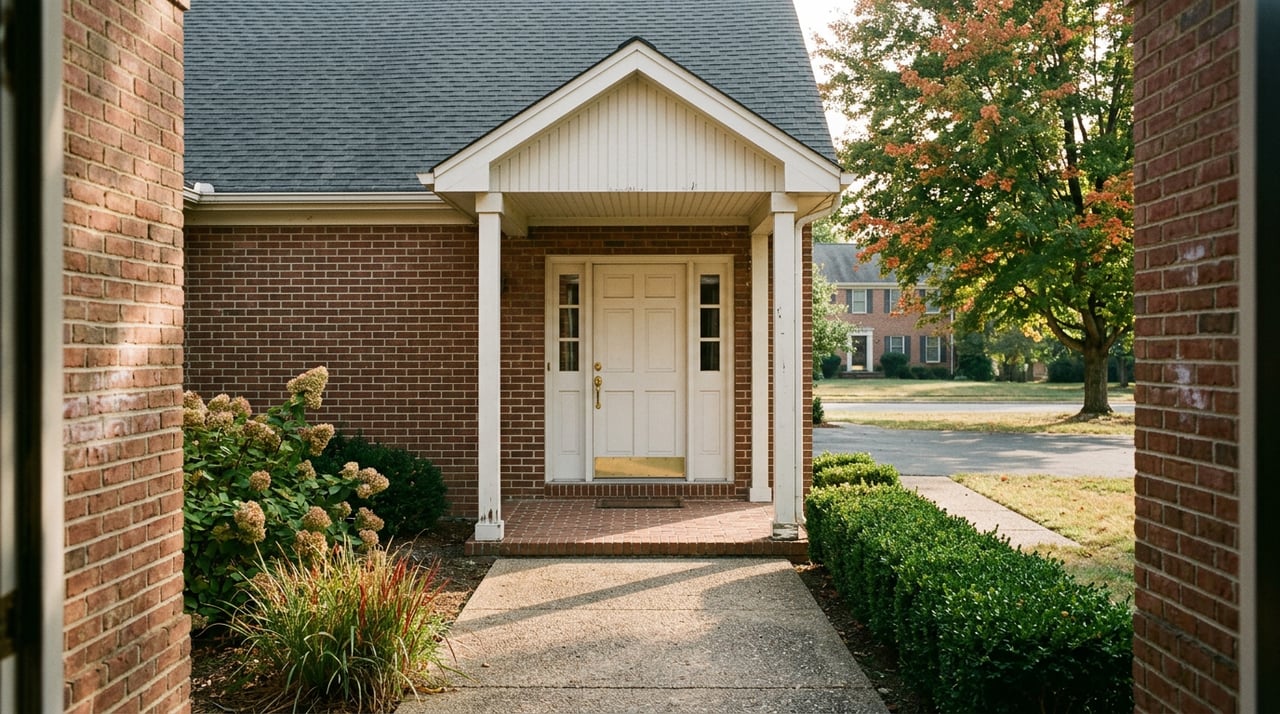
Your exterior sets the tone before buyers ever walk inside. In the Buffalo area, weather plays a real role in first impressions. NOAA climate normals for Buffalo show mean annual snowfall of 92.3 inches, so if you are listing in winter, the front approach needs extra attention.
Keep walkways and steps clear, make the front door easy to access, and make sure the entry feels visible and maintained. Snow, slush, and winter grime can quickly make a home feel less inviting. In spring and summer, the same principle applies through trimmed landscaping, tidy beds, and a clean front entrance.
Exterior details buyers notice fast
Low-cost curb appeal updates often have strong impact. Buyers tend to notice whether the home feels finished, maintained, and easy to approach. Focus on the items that improve first impression right away.
- Sweep the porch and front steps
- Store away hoses, tools, and bins
- Keep the driveway and walkway clear
- Trim overgrowth near the entrance
- Make sure house numbers are visible
- Clean the storm door and front glass
Be careful with older-home paint work
Because many Tonawanda homes were built before 1960, quick prep work should be handled carefully. If you are planning any scraping, sanding, or repairs that disturb old paint, use older-home caution. In homes built before 1978, renovation or paint-disturbing work may require lead-safe practices.
That does not mean you cannot freshen up your home before listing. It just means that paint-related work should be approached safely and thoughtfully. For many sellers, cleaning, decluttering, and simple cosmetic updates offer plenty of staging value without taking on bigger repair projects.
How much staging is enough?
For most homes in 14150, selective staging is often the smart play. You usually do not need to fully stage every room to make a strong impression. The goal is to improve the spaces buyers care about most and make the home photograph well.
The 2025 staging profile found that when a staging service was used, the median spend was $1,500. When the seller’s agent staged the home, the median spend was $500. That gives you a practical range to think about if you are weighing professional help versus a simpler, do-it-yourself approach.
Should you hire a professional stager?
It depends on your home, your timeline, and how much work the space needs. If your home is occupied and already in decent shape, you may be able to get strong results with focused guidance, furniture editing, and better photo prep. If the home is vacant, awkwardly laid out, or visually dated, outside staging help can be worth considering.
There is also a middle ground. Virtual staging can help buyers understand vacant or hard-to-read rooms, especially when adding furniture physically would be too expensive or impractical. That can be useful for empty bedrooms, bonus spaces, or homes where the layout needs a little help in photos.
Staging can support speed and value
While results vary by property and price point, staging can help improve how buyers respond to a listing. The 2025 Profile of Home Staging found that 83% of buyers’ agents said staging made it easier for buyers to visualize the property as a future home. It also found that 17% of buyers’ agents said staging increased the offer by 1% to 5%, and 30% of sellers’ agents saw slight decreases in time on market.
That does not mean staging guarantees a higher sale price or a fast sale. It does mean presentation affects perception, and perception affects buyer behavior. In a market like Tonawanda, where many listings share similar age, style, and size, that edge can matter.
A smart Tonawanda staging plan
If you are getting ready to list, the best staging strategy is usually simple. Focus on the rooms that drive buyer interest, prepare the home for photos, and make the exterior feel cared for in any season. For many Tonawanda sellers, that approach delivers more value than expensive upgrades.
Local knowledge matters here. Knowing how buyers react to older Buffalo-area housing stock, traditional layouts, and seasonal curb appeal can help you make smarter listing decisions from the start. If you want practical guidance on how to prep your home for the market, Benjamin Domagala can help you build a strategy that fits your home, timeline, and goals.
FAQs
How much staging does a Tonawanda home usually need before listing?
- Most Tonawanda homes benefit from selective staging rather than a full redesign, with the biggest focus on the living room, primary bedroom, kitchen, photos, and curb appeal.
Which rooms matter most when staging a home in 14150?
- The highest-priority rooms are typically the living room, primary bedroom, and kitchen because those spaces often shape a buyer’s first impression.
Is professional staging worth it for an older Tonawanda house?
- It can be, especially if the home is vacant, awkwardly laid out, or needs help looking more open and functional in listing photos.
What should you do if your Tonawanda home is vacant?
- If a vacant room feels hard to understand, simple furniture placement or virtual staging can help buyers picture how the space could be used.
How should you stage a Tonawanda home in winter?
- In winter, focus on clear walkways, a clean and visible entry, and an exterior that feels maintained despite snow and slush.