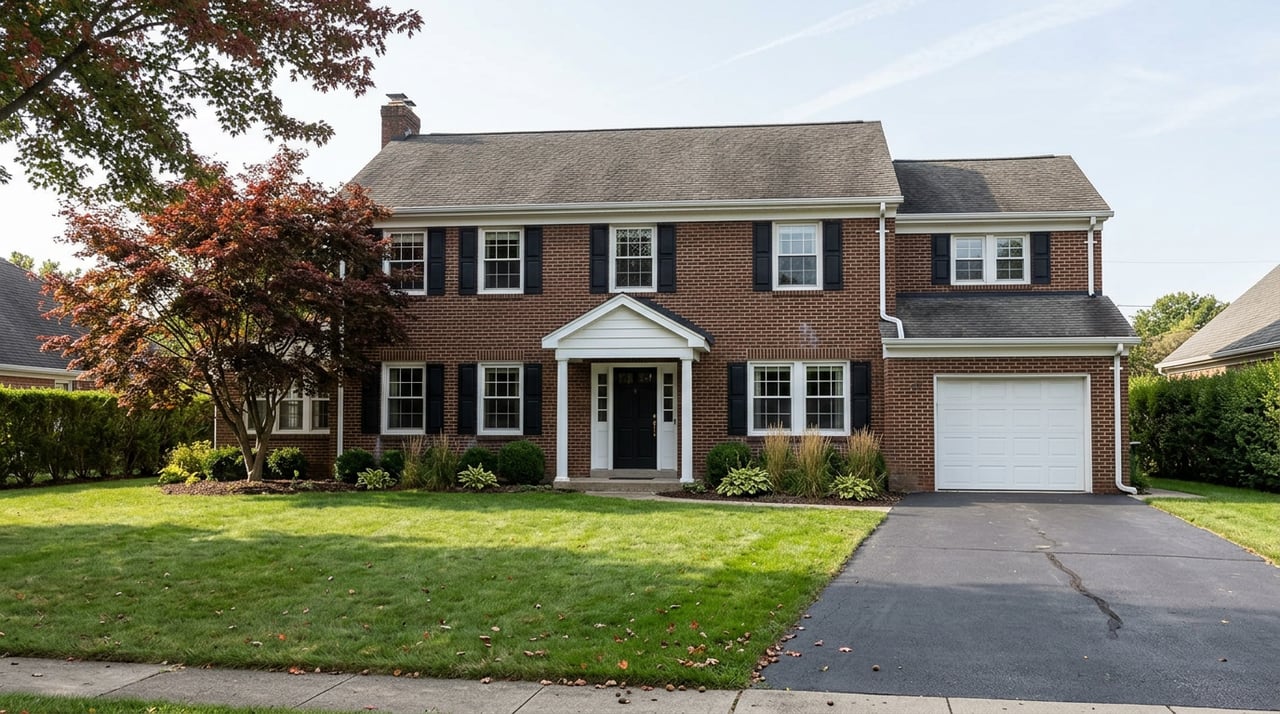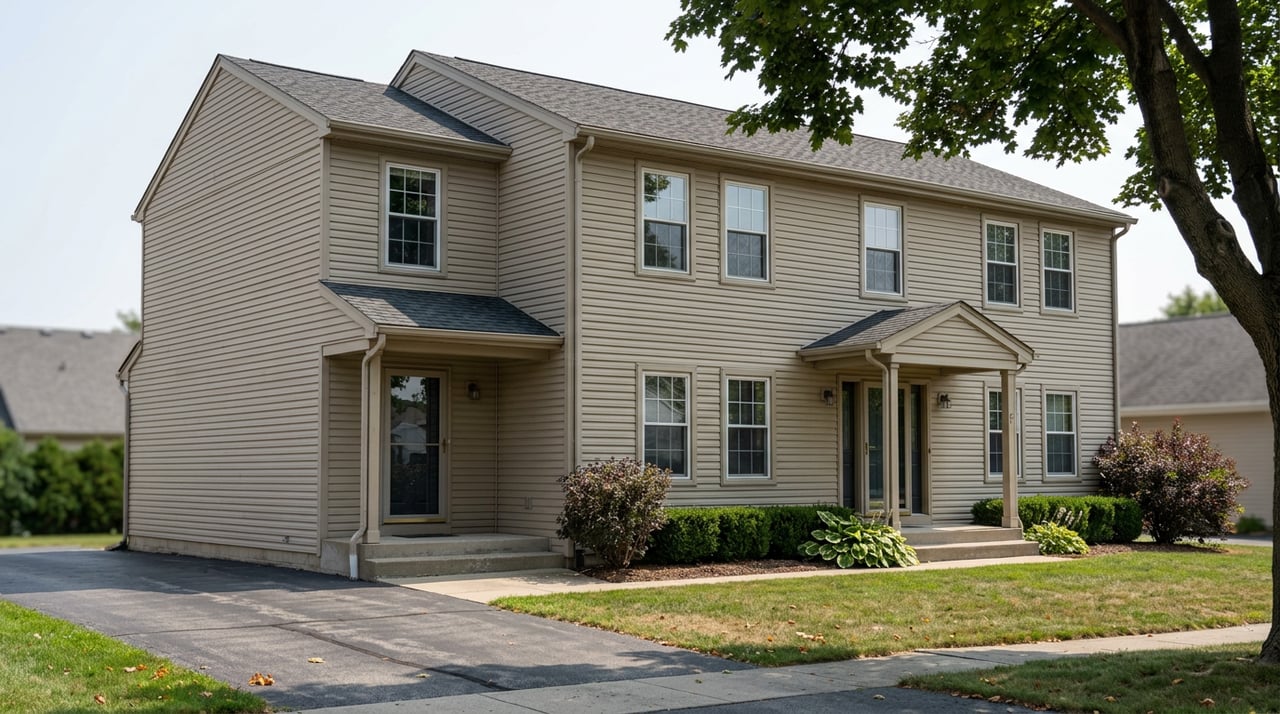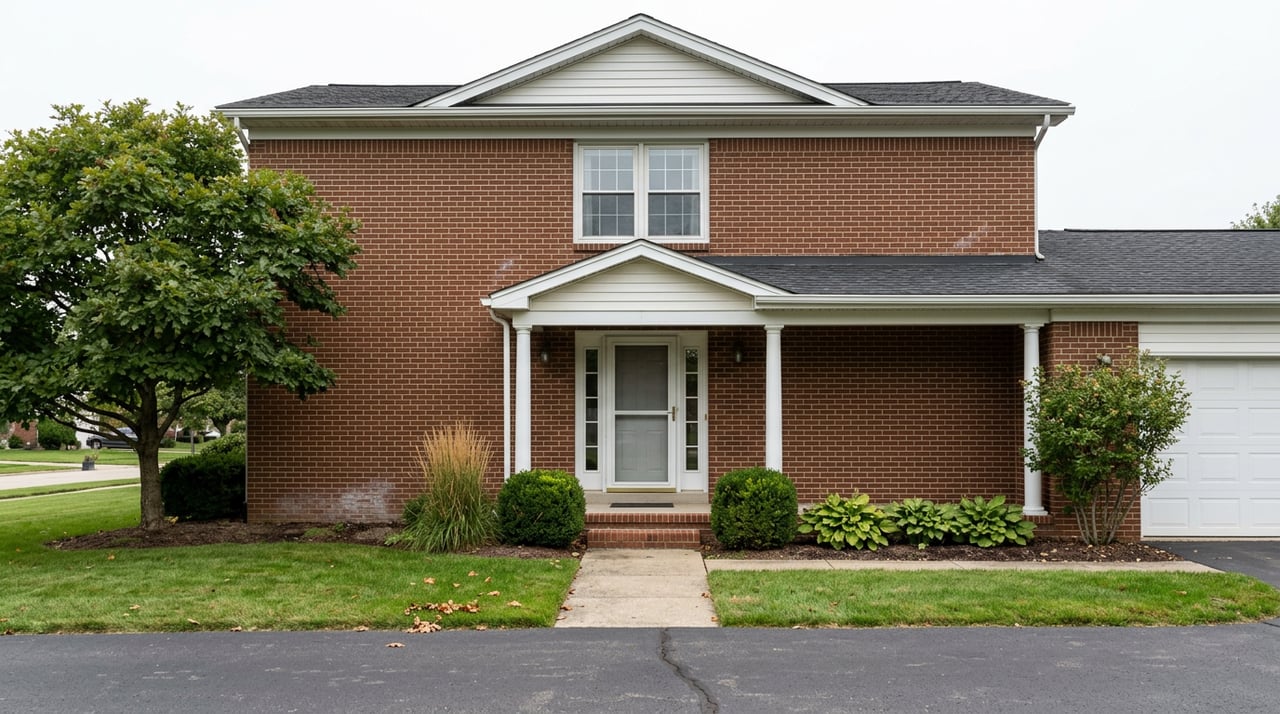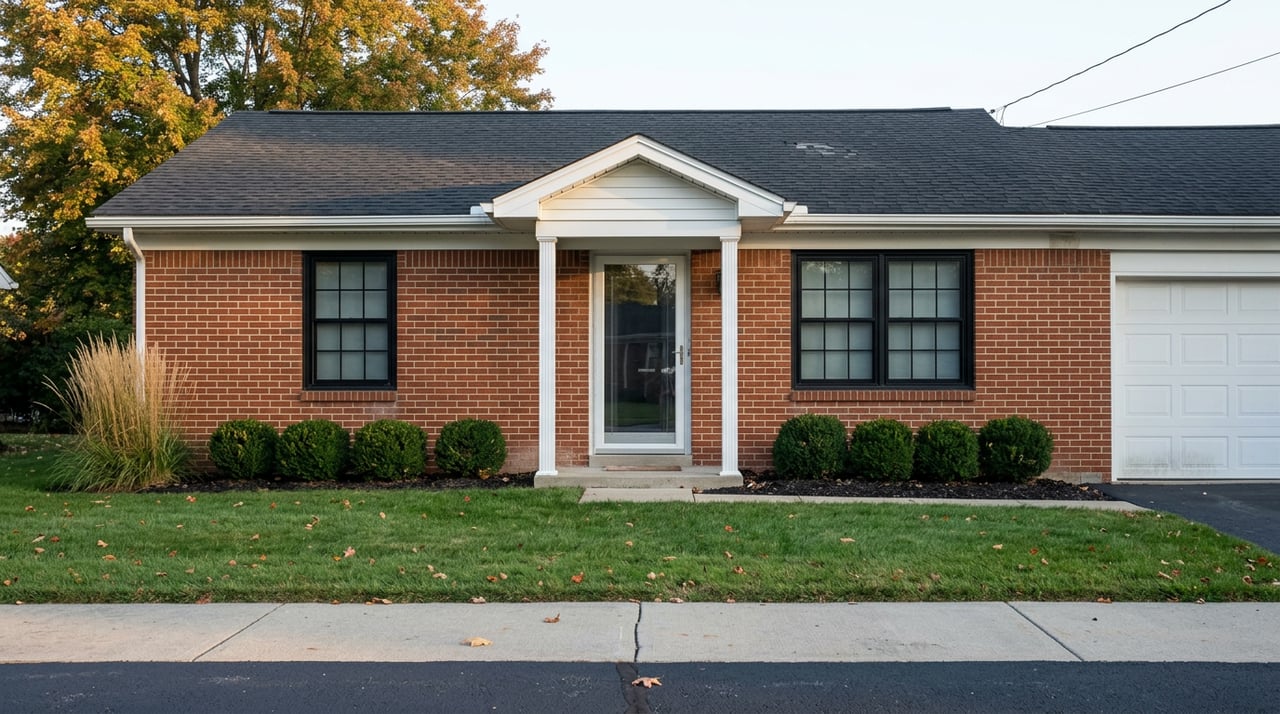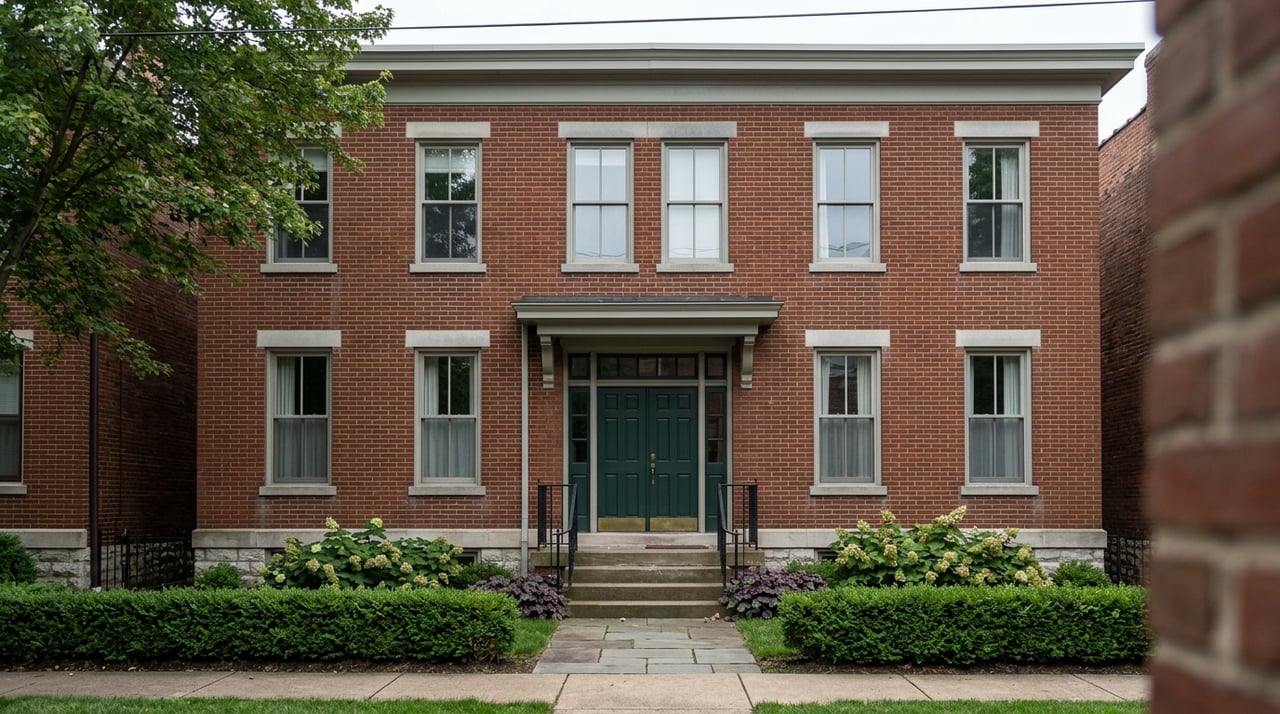
This August, a Deloitte consultant paid $1.2 million for a Tudor Revival mansion on West Ferry Street, bought from members of the Basil family, the name behind the Basil auto dealerships that most Western New Yorkers have bought a car from at some point. He was trading up from a six-bedroom Victorian elsewhere on Buffalo's West Side into what one report on the sale described as the heart of the Elmwood Village.
Nine months earlier, on the same street, Rotundo's Laundry pressed its last shirt. The business had operated near Grant Street for seven decades. Its owner, Gary Rotundo, has since put his 12-parcel, 1.22-acre commercial portfolio on the market for $999,000, a package that works out to under $85,000 per parcel once you do the math.
Same street name. Same city block system. Two transactions that share almost nothing else in common.
If you're comparing Delaware-West Ferry to other Buffalo neighborhoods right now, this matters more than it sounds like it should. "West Ferry Street" is not a listing category. It's a street that runs through at least three distinct real estate products, and the only thing that tells you which one you're looking at is the house number.
Three Segments, One Street Name
Walk the length of West Ferry Street from Grant Street toward Gates Circle and the market changes underneath your feet.
Down near the low 300s, close to Grant Street, you're in the corridor that includes the former Rotundo's building at 332 West Ferry and the adjacent parcel at 340. This stretch is zoned N-2C, which allows a mix of residential and retail use, and it sits inside a federally designated Opportunity Zone, which means qualifying investment here can carry meaningful tax advantages for buyers willing to hold long term. It's also potentially eligible for Brownfield tax credits. The Rotundo portfolio sits directly across from La Nova, the longtime Buffalo pizzeria, and local commentary on the corridor has floated the idea of bringing the Buffalo AKG Art Museum in on a mural program similar to what's happened on Hertel Avenue. This is a redevelopment segment, priced like one.
Move east into the 400s and 600s and the street becomes a stabilized rental corridor. A renovated six-unit pre-war building at 466 West Ferry, marketed as "The Charlotte," sits a block off Richmond Avenue and represents the kind of asset that's already done its work: brick exterior intact, kitchens and baths updated, mechanical systems current. It's the multifamily version of a turnkey purchase, priced for stability rather than upside.
Keep going toward the 700s and 800s and you're in Elmwood Village territory in every practical sense, even though the street name hasn't changed. Buildings like West Ferry Place at 770 and the Windsor Apartments at 703 are both tagged to Elmwood Village by local listing data, not to the West Side corridor a half mile away. This is also where the historic mansion district sits, the same stretch where the Basil family's Tudor Revival changed hands for $1.2 million this summer.
Three segments. One street sign.
Why the Cheap End Isn't a Warning Sign
The instinct when you see a seven-decade-old business close and a 12-parcel portfolio list for under $85,000 a piece is to read it as decline. That instinct is wrong here, and understanding why is the whole point of this piece.
An Opportunity Zone designation combined with potential Brownfield tax credit eligibility doesn't reward buyers for purchasing distress. It rewards buyers for purchasing potential, on the condition that they're willing to build and hold. The tax benefit only pays off if new investment goes into the ground, which means the low price on the Rotundo portfolio isn't a discount for lack of demand. It's a discount for redevelopment risk and the multi-year timeline that comes with entitlements, financing, and construction. Someone still has to do the work. The price reflects that work hasn't happened yet, not that the location doesn't support it.
Compare that to 466 West Ferry, where the work has already happened. That building commands a premium because a buyer there is paying for stabilized income and zero renovation risk, not for future upside. And the Basil family's former home at the Elmwood Village end commands its own premium because that segment of West Ferry Street was never distressed to begin with. It's simply expensive, in the way established, walkable, historic streets near Delaware Park tend to be expensive.
Three prices. Three different things the money is actually buying.
What a Neighborhood-Wide Median Hides
Here's where it gets tricky for anyone comparing zip codes on paper. Buffalo's West Side neighborhood, which includes this stretch of West Ferry Street, showed a median sale price of $295,000 in March 2026, according to Redfin, up 87 percent from the same month a year earlier. On its face that looks like a neighborhood on fire.
Look closer and the number gets shakier. That March figure was based on just 13 home sales for the entire month. A median calculated from 13 transactions swings wildly based on which properties happened to close, and an 87 percent year-over-year jump on a sample that small tells you almost nothing about where prices are actually heading. It's far more likely to reflect the mix of what sold, a handful of higher-end properties closing in the same window, than any broad shift in what the street is worth.
This is exactly the trap that a single-street, three-market corridor like West Ferry Street sets for a median. If a $999,000 commercial portfolio near Grant Street closes in the same reporting period as a renovated multifamily building near Richmond Avenue, the blended number describes neither of them accurately. Nearby data backs this up: multi-family listings in the broader Upper West Side area were ranging from roughly $154,900 to $484,900 as of January 2026, a spread wide enough that the median sitting somewhere in the middle tells a buyer almost nothing about what they'll actually find at a given address.
If you're using a citywide or neighborhood-wide median to decide whether Delaware-West Ferry fits your budget, you're averaging a redevelopment zone with a mansion district. The average of those two things is a number that doesn't exist anywhere on the actual street.
Reading a West Ferry Street Listing Like You Know the Corridor
A few practical habits separate a buyer who understands this street from one who's just scrolling a search filter.
- Check the house number against the cross streets first. Grant Street to the low 400s reads very differently than Richmond Avenue to Gates Circle. The number alone should tell you which segment you're evaluating before you read a single other detail.
- For investment parcels, confirm the zoning code, not just the neighborhood label. N-2C parcels allow mixed residential and retail use, which matters enormously if you're weighing redevelopment against a straightforward rental purchase.
- Verify Opportunity Zone and Brownfield eligibility at the parcel level. These designations don't apply uniformly across a corridor, and eligibility can be the difference between a discount that makes sense and one that doesn't.
- If you're a move-up buyer looking at the mansion district, ask for the exact block, not just the street. "West Ferry Street" in a listing headline could mean walking distance to Gates Circle or a very different setting a mile away.
- Don't lean on a single month's median to size up affordability. Ask for recent comparable sales on the specific block you're considering, not the neighborhood-wide average for the reporting period.
None of this means West Ferry Street is a confusing place to buy. It means it's a street where the work of reading a listing correctly happens before you ever call an agent, and where knowing which of the three markets you're standing in is worth more than any single statistic on a portal page.
If you're weighing a move to Delaware-West Ferry, whether you're chasing a redevelopment parcel, a stabilized rental building, or a home closer to Elmwood Village, the details on this particular street reward a buyer who checks the address before the description. You can browse current listings and dig deeper into the neighborhood's day-to-day character on our Delaware West Ferry neighborhood guide.
Buying or selling on a corridor with this much variation benefits from someone who already knows where the lines are drawn. Benjamin Domagala works this market block by block. Get Your Free Home Valuation, or let's connect and talk through exactly what your target address on West Ferry Street is actually worth.